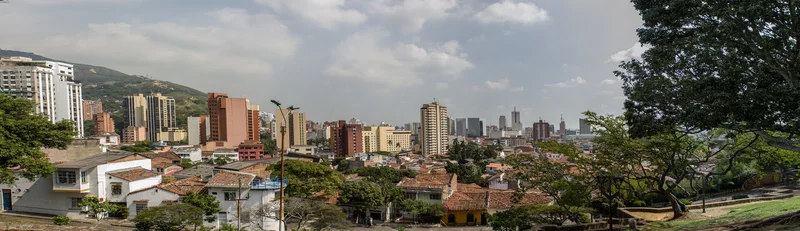
Cali Welcomes Italian Techno Star Deborah de Luca
Electronic Music in Latin America
The arrival of Italian DJ Deborah De Luca in Cali signals a notable electronic turn for a city whose global musical brand has long been defined by salsa.
A Neapolitan Force Lands in Colombia
Deborah De Luca has carved a distinct path through the crowded global techno landscape. Born in Naples, she worked as a dancer in nightclubs before stepping behind the decks, a transition that gave her an instinctive feel for dance-floor energy.
Her sound is built on hard techno foundations, yet she consistently threads melodic and almost melancholic textures through her sets. This combination has won her headline slots at major festivals and clubs from Europe to South America.
Cali’s Evolving Nightlife Economy
Cali is world-famous as the capital of salsa, a title it has held for decades and one that drives a steady stream of cultural tourism. That identity remains strong, but the city’s promoters and venue owners have been working to broaden the offering.
Booking a name like Deborah De Luca represents a calculated bet that a younger, internationally-minded audience is ready to spend on electronic music experiences. For investors in Colombia’s hospitality and entertainment sectors, this diversification matters because it extends the customer base beyond the traditional salsa tourist.
The Sola_mente Records Effect
De Luca founded Sola_mente Records in 2013, giving her full creative control over her output and brand. The label has become synonymous with a particular strain of techno: driving, hypnotic, and unafraid of melody.
Owning the label means she arrives in Cali not just as a touring DJ but as a business owner with a recognisable product. That independence is increasingly the model for electronic artists who want to build lasting careers rather than chase short-term streaming numbers.
Colombia’s Electronic Music Map Shifts
For years, Medellín and Bogotá have dominated Colombia’s electronic music conversation, with events like Freedom Festival and Baum Festival drawing international crowds. Cali has often been an afterthought in that circuit.
A Deborah De Luca Cali booking suggests that promoters see untapped demand in the city of roughly 2.2 million people. The read-through for the wider Latin American market is clear: secondary cities with strong cultural identities can support high-end electronic events if the programming is right.
What This Means for Expats and Investors
For expats living in or considering Cali, the arrival of internationally recognised DJs is a quality-of-life signal. It indicates a city that is connecting more deeply to global cultural currents while retaining its distinctive local character.
For investors in Latin American hospitality, the trend points toward venue and experience-based opportunities. A city that can host a Deborah De Luca show is a city building the infrastructure and audience for a more varied night-time economy.
Frequently Asked Questions
Who is Deborah De Luca and why is her Cali appearance significant?
Deborah De Luca is an Italian techno DJ and producer from Naples, known for hard techno with melodic elements and founder of Sola_mente Records. Her Cali booking is significant because it marks a high-profile electronic music event in a city traditionally associated with salsa, signalling a diversification of the local nightlife economy.
How does Colombia’s electronic music scene compare across its major cities?
Medellín and Bogotá have led Colombia’s electronic music scene for years, hosting major festivals and attracting international DJs. Cali has historically been less prominent in this space, but recent bookings suggest promoters see growing demand and an opportunity to expand the city’s musical identity beyond salsa.
What does an international DJ booking mean for a city like Cali?
An international booking like Deborah De Luca signals that a city has the venues, audience, and organisational capacity to support high-end electronic music events. For expats and investors, it suggests a maturing cultural infrastructure and a more globally connected urban environment, which can positively influence quality-of-life perceptions and hospitality-sector opportunities.