What turns a conspiracy theory into an action?
There are three characteristics that can determine when these beliefs are likely to shape real-world behavior, researchers at the University of Pennsylvania’s Annenberg Public Policy Center shared this week.
The first is how certain people are that the belief they hold is true, the second is how important the belief is to them personally and the third is whether it is seen as “actionable.”
The characteristics were discovered after reviewing data from studies that examined conspiracy theories about Covid vaccines, the “Deep State” undermining President Donald Trump and the theory that there’s an orchestrated effort to make white people a minority.
“People may endorse a conspiracy theory to the same extent, but that does not necessarily mean that it will translate into behavior to the same extent,” Javier A. Granados Samayoa, an assistant professor of psychology at Texas Christian University, explained in a release. “Our findings suggest that our beliefs have different qualities that matter for determining what their impact will be.”
Essentially, not all conspiracy theories are made equal — and beliefs in those conspiracies are greatly dictated by personal attitudes.
A conspiracy theory is defined as an explanation suggesting a group is secretly responsible for a harmful, tragic or historic event. It often rejects official or generally accepted explanations.
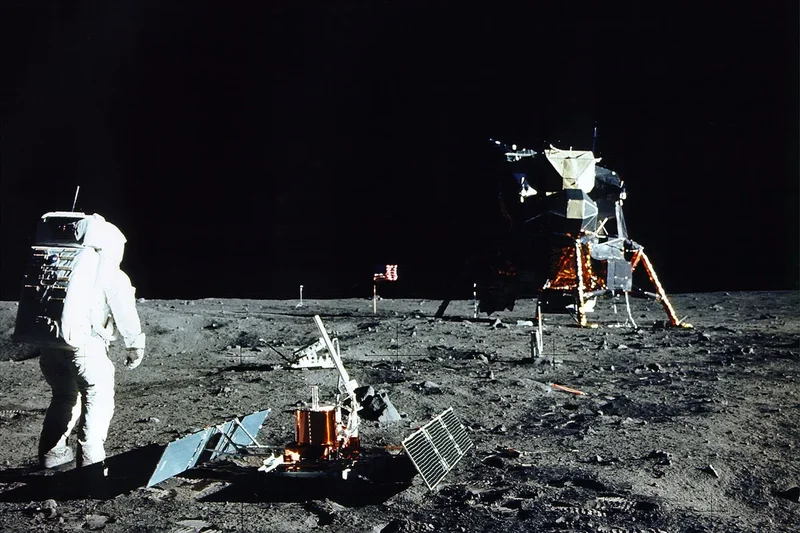
Over the years, the definition of conspiracy theories have expanded beyond tragedy. For example, some people believe the Earth is flat, the 1969 moon landing was faked and that early 2000s pop star Avril Lavigne was replaced by a body double named Melissa.
There are conspiracy theories about popular culture, sport, politics, health and more, now proliferating and amplifying on social media platforms.
These theories exist, psychologists say, because of personality traits.
Conspiracy theorists rely on their intuition, feeling threatened in their environment and feel a sense of superiority toward others, according to the American Psychological Association.
“Conspiracy theorists are not all likely to be simple-minded, mentally unwell folks — a portrait which is routinely painted in popular culture,” Shauna Bowes, an assistant professor of psychology at South Carolina’s Furman University, said in a statement shared by the association. “Instead, many turn to conspiracy theories to fulfill deprived motivational needs and make sense of distress and impairment.”
All of the studies the researchers examined showed these beliefs are more strongly tied to behavioral attitudes, with actions taken corresponding to that belief.
The more people think those beliefs are important, hold them with greater certainty or think the conspiracy theories were useful to guide their decisions, the more likely they are to act.
Unfortunately, acting on misinformation and conspiracy theories can come with consequences for others, including for their health.
For example, people who believe that the covid vaccine caused millions of deaths may be less likely to get the shots to protect themselves and others going forward, contributing to the nationwide issue of vaccine hesitancy. Data shows the vaccine helped to save millions of lives.
That’s why correcting misinformation should include an assessment of peoples’ attitudes toward conspiracy theories, the researchers say.
“Simply correcting misinformation is not enough,” Dolores Albarracín, the center’s director and the study’s senior author, said. “If we want to reduce the harmful effects of conspiracy beliefs, we need to understand the psychological qualities that give those beliefs their power to motivate behavior.”