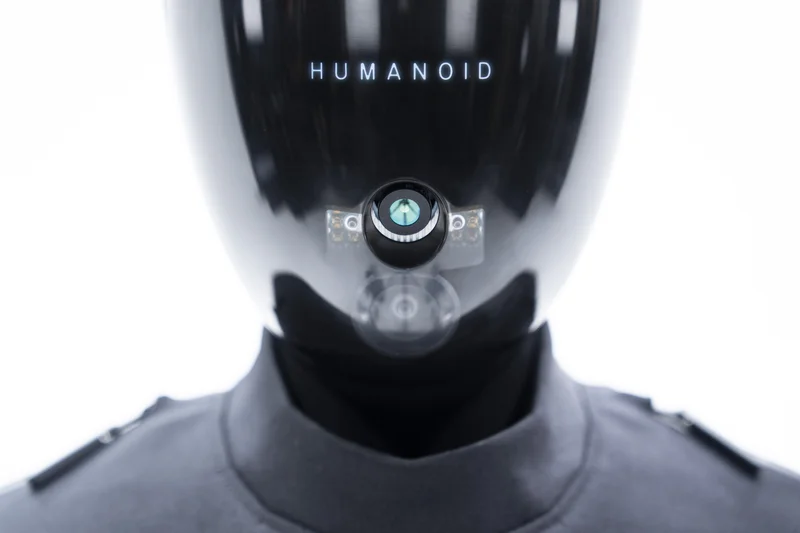
Humanoid robots are everywhere in the news right now. From Tesla's Optimus to Figure AI, Unitree, Agility Robotics, and Boston Dynamics, it seems like every week brings another breakthrough. The latest headlines focus on robots becoming faster, more capable, and increasingly ready to work alongside people in factories, warehouses, and logistics centers.
But it's just as important, because it's about the people and things that are being left behind in the process.
When a humanoid robot finally makes it to the front page, it's not like it happened overnight. Companies have been working on it for months, even years, before it's ready for the public. They start buying the parts, software, and equipment they need to test and build it, and they hire engineers to make it all work. All these investments leave clues, and if you follow them, you can figure out where the industry is headed, long before the news breaks. It's like seeing the signs of something big coming, before it actually happens. By looking at what companies are buying and investing in, you can get an idea of what's in store for the future of robotics, and it's often more revealing than the headlines themselves.
This is why procurement data is becoming an increasingly valuable source of market intelligence.
The Headlines Show the Result, Not the Beginning
Advancements in humanoid robots have created massive amounts of hype lately. Corporations are making new alliances, boosting their production capabilities, and shifting robots from research facilities to practical applications. It seems like there are massive advances in the field, yet these achievements are merely the end results of previous decisions.
Every humanoid robot depends on an extensive supply chain. Before the first prototype is assembled, manufacturers need vision systems, LiDAR sensors, electric motors, battery packs, AI hardware, precision components, industrial software, testing facilities, and safety equipment. None of these purchases attract the same attention as a product launch, yet together they represent the foundation that makes the final product possible.
Reuters recently reported that Hyundai will acquire SoftBank's remaining stake in Boston Dynamics, making the robotics company a wholly owned subsidiary as it accelerates plans to deploy humanoid robots across its manufacturing operations.
Procurement Leaves Early Signals
Procurement data is valuable because it shows what organizations are investing in before new technologies become mainstream. Companies don't start by buying finished humanoid robots. They first purchase the parts, software, equipment, and services needed to build, test, and deploy them.
For humanoid robots, that can include AI software, cameras, sensors, batteries, manufacturing equipment, and engineering services. A single purchase doesn't reveal much, but when you look at thousands of procurement notices together, clear patterns begin to emerge. You can see where organizations are investing, which technologies are gaining attention, and how the market is evolving—often long before those trends become headline news.
Why Businesses Should Pay Attention
For suppliers, manufacturers, consultants, and technology companies, timing matters. By the time a major robotics announcement reaches the news, many of the key decisions have already been made. Procurement data offers a chance to see where organizations are investing while projects are still being planned, rather than after they become public.
Public procurement is especially useful because governments, universities, and research organizations regularly publish tenders for robotics, AI, automation, and advanced manufacturing. A single notice may not reveal much, but hundreds or thousands of them together can highlight where funding is growing and which technologies are attracting the most attention.
If you're curious about where robotics is heading next, browsing robotics and AI procurement opportunities from different countries offers another perspective. Instead of focusing only on product launches, you can see the projects, technologies, and investments that often come first.
Looking Beyond the Headlines
Humanoid robots could become one of the most important technologies of the next decade. But some of the first signs of this change appear before a robot is officially launched. They can be seen in purchases of sensors, contracts for AI software, investments in factory equipment, and spending on testing systems. Each of these small steps can show where the industry is going.
Big technology changes usually do not happen overnight. Before a new product becomes popular, there are often early signs that show what companies are preparing for. Procurement data can reveal these signs and help people understand future trends before they become obvious. The robots may get the attention, but procurement data often tells the story first.