Your support helps us to tell the story
From reproductive rights to climate change to Big Tech, The Independent is on the ground when the story is developing. Whether it's investigating the financials of Elon Musk's pro-Trump PAC or producing our latest documentary, 'The A Word', which shines a light on the American women fighting for reproductive rights, we know how important it is to parse out the facts from the messaging.
At such a critical moment in US history, we need reporters on the ground. Your donation allows us to keep sending journalists to speak to both sides of the story.
The Independent is trusted by Americans across the entire political spectrum. And unlike many other quality news outlets, we choose not to lock Americans out of our reporting and analysis with paywalls. We believe quality journalism should be available to everyone, paid for by those who can afford it.
Your support makes all the difference.
Read more
Homes across the UK are seeing an increase in creepy crawlies as the hot weather sees many people leaving their windows open throughout the day.
Some people won’t mind but many are not keen to share their homes with spiders and flies.
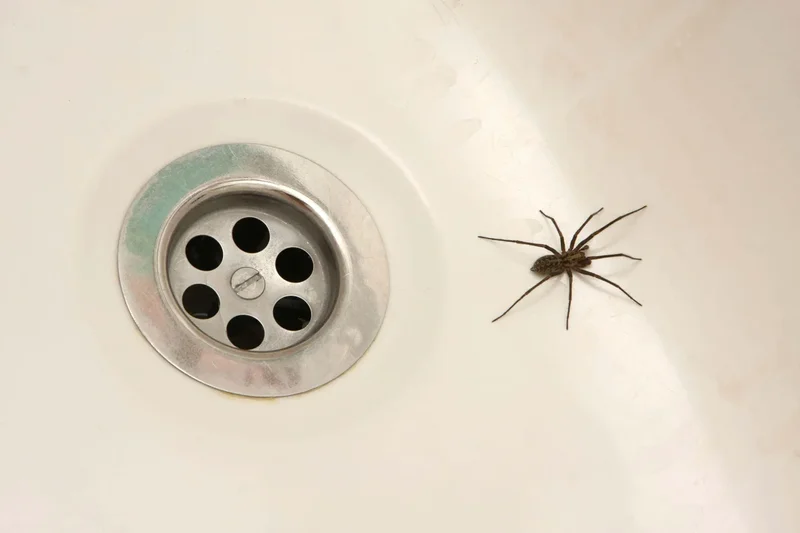
Spiders in homes will commonly be found in rooms with a water source, because they need water and so does their prey.
“You’re most likely to find spiders in your bathroom or kitchen, because their food is attracted to dark, moist areas”, explains Alex Woods from Victorian Plumbing.
“Spiders are attracted to the warmth of a home, particularly when the weather is cold or wet, which we know all too well can be the reality of a British summer. Female spiders tend to stay in the same position for their whole lives, so it may be that there are still spiders in your home who have been hiding away since last autumn.”
False widow, Steatoda nobilis, spider, resting on wooden slats (Getty/iStock)
But although they might be great mini-pest controllers, most people would rather not house-share with spiders. So what can you do to get rid of them, or stop them coming in your home in the first place?
1. Vacuum regularly
Typically, spiders can be found in dark, quiet, secluded areas in homes and gardens, says Blackhurst, and most of spiders in this country produce webs, which is of course a key way to identify if they’re living in your home.
“Vacuum regularly, high and low,” he advises, “including hidden spots like under furniture, particularly sheltered spots such as beneath worktops, backs of cupboards, and under or behind large furniture. Remove spider webs, especially in corners and on ceilings.”
2. Seal cracks and openings around windows and doors
Seal gaps in walls, pipes, and doors to discourage entry, advises Blackhurst, and Woods adds: “Spiders have to get in our homes some way, so starting by sealing any cracks or openings around your windows and doors will reduce the chances of an initial invasion.”
3. Reduce outdoor lighting
Outdoor lights can attract insects that may become spider prey, warns Blackhurst.
4. Make a natural spider-repellent using essential oils
Home-made spider repellent may help keep spiders away, says Woods. “A drop of essential oil is enough to deter a spider,” she promises.
She suggests mixing around 20 drops of essential oils such as tea tree, lavender, peppermint, citrus or cinnamon with water in a spray bottle. “Spray corners of your bathroom or any moist areas that are likely to attract the insects,” she advises.
5. Use spider-repellent scents
As well as using the repellent to target specific spider-prone areas, you can use an air freshener or a candle that contains citronella to target the whole room, Woods suggests.
6. Rub lemon peel over the windowsills
“This is a favourite trick of mine,” says Woods. “Rub lemon peels all over the windowsills or anywhere spiders may try and perch like behind the toilet or cabinets. The citrus will repel them and will give your room a nice scent.”
7. Add spider-repelling plants to your rooms
Woods says plants like mint, lemongrass or eucalyptus will not only make your rooms look nicer “but they will help warn off spiders as they hate these kinds of aromas.”
8. Reduce spider food sources
Keep firewood, garden bags and compost heaps away from the home, as they’ll attract insects and spiders, says Blackhurst. “The most effective way to control spiders is to limit their food source,” he explains. “This should include clearing away dead flies, woodlice, millipedes, centipedes, and other crawling insects.”