Topline
A federal judge temporarily blocked Paramount Skydance’s planned merger with Warner Bros. Discovery on Monday, saying states had raised “serious questions” about whether the deal violates antitrust law—a potentially costly early signal for Paramount, as the company faces billions of dollars in payments if the deal either continues getting delayed or ultimately falls through.
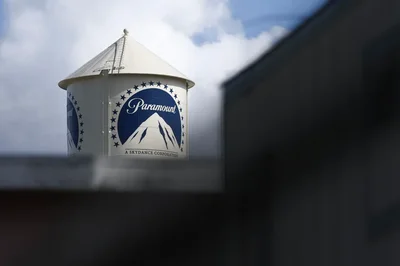
The Paramount Pictures logo is displayed on a water tower in Los Angeles, California, on February 17.
NurPhoto via Getty Images
Key Facts
Judge Araceli Martinez-Olguin issued a temporary restraining order Monday that bars Paramount from moving forward with the merger for two weeks, before deciding whether to issue a more lasting order that pauses the deal indefinitely while the litigation moves forward.
Paramount and Warner Bros. are trying to move forward with a $110 billion merger that has faced widespread pushback for allegedly unfairly restricting competition in the entertainment industry, and the ruling came in response to a lawsuit brought against the media company by a coalition of 12 Democratic state attorneys general.
While Martinez-Olguin did not rule Monday on whether Paramount’s deal is lawful, the judge signaled she’s skeptical of the deal, writing the states “make a strong showing that the Transaction will substantially lessen competition” and “raised serious questions about the merits of their antitrust claim.”
The judge’s ruling doesn’t immediately impact Paramount, beyond barring it from closing the deal for the next two weeks, but signals Martinez-Olguin could be inclined to delay the deal indefinitely or kill it entirely, which would prove costly for the media giant.
Under the terms of its deal with Warner Bros, Paramount has to pay a $0.25 per day “ticking fee” per share to Warner Bros. shareholders if the deal doesn’t close by Sept. 30—which would amount to $650 million per quarter or $7 million per day—and has also agreed to pay a $7 billion termination fee if the deal falls through due to regulatory issues.
Paramount said in a statement Monday it was “grateful” for how swiftly the judge issued the order in the case, and said it is “confident the evidence will demonstrate that the State AGs' antitrust arguments are without merit.”
CHIEF CRITIC
“This merger is lawful, pro-competitive, and will benefit consumers, creators, workers, and the entertainment industry,” Paramount said. “We will continue to vigorously defend the transaction and will look forward to the hearings on the substance of the State AGs’ action.”
What to Watch for
Martinez-Olguin scheduled a hearing for Aug. 3 on whether she should issue a more lasting order to pause the Paramount-Warner Bros. deal. That order could keep the merger on pause indefinitely while the litigation moves forward, which means it could be paused for years, unless an appeals court overrules her.
Crucial Quote
Martinez-Olguin noted in her ruling Monday her temporary order won’t cause Paramount any financial harm for now—but also suggested she isn’t sympathetic to its arguments about how much the delay could cost it. “Even if Defendants argued that they would suffer economic harm as a result of delaying the merger, the equities do not weigh in their favor when contrasted with the potential public harms that would result from consummation of the Transaction, including the loss of competition,” the judge wrote.
Big Number
$6 billion. That’s how much Paramount has estimated it and Warner Bros. will save by combining their assets through the merger, Reuters notes, further adding to the costs the company will suffer if the deal doesn’t go through.
Key Background
The states’ litigation is one of several pending lawsuits against Paramount over its planned merger, which was announced in February after Netflix backed off its effort to acquire Warner Bros. and said it couldn’t match Paramount’s bid. Paramount+ subscribers have also sued over the deal, arguing the lack of competition could raise prices for subscribers, and the Writers Guild of America filed suit last week. The union argues the deal could harm film and television writers by reducing competition in the industry and giving writers less options of who they can work for, arguing in a statement a potential merger would mean “writers will be paid less and have fewer employment opportunities.” Paramount has defended the deal amid the widespread criticism and alleged it would actually be “pro-competitive,” as Paramount and Warner Bros.’ new joint entity would be better equipped to compete with other media giants like Netflix, Apple and Disney. States sued Paramount in an effort to block the merger after the federal government cleared it in June, with the Justice Department concluding the deal was “not likely to result in harm to competition or American consumers.” The Trump administration’s approval of the deal has raised concerns, given Paramount CEO David Ellison’s ties to the president. Ellison and father Larry Ellison face a lawsuit from a Paramount investor over their alleged side dealings with the government to get the merger approved, which Paramount has strongly denied.
Further Reading
California And Other States Challenge Massive Paramount-Warner Bros. Merger In New Lawsuit (Forbes)
Justice Department Greenlights Paramount-Warner Bros Merger With No Conditions (Forbes)
What The Paramount-Warner Bros. Merger Means For Larry Ellison’s Fortune (Forbes)