Spain may still be celebrating their FIFA World Cup 2026 win, but Morocco has already taken the ball and run with it.
The country is investing heavily ahead of co-hosting the 2030 FIFA World Cup, expanding airports, extending high-speed rail and upgrading roads, stadiums and tourism infrastructure.
It is using the moment to strengthen the country’s position as a major international tourism destination. Recent growth means that Morocco now surpasses Egypt as the most visited country in Africa. And the optimism is buoyed by the end of a prolonged drought.
For seven years, Morocco endured a severe drought that left reservoirs depleted, hillsides brown and farms under unrelenting pressure. Yet tourism continued to surge.
The country welcomed a record 19.8 million visitors in 2025, up 14 per cent on the previous year, helped by expanded air links, improved tourism infrastructure and growing investment ahead of 2030.
The latest travel news, tips and inspiration delivered to your inbox. Sign up now.
Morocco’s appeal rests partly on its proximity to Europe: within a few hours, travellers from cities such as London, Paris and Madrid, can reach a destination that feels culturally removed from their own.
Those who travelled through the country during the drought years, however, encountered a different Morocco. The Sahara and the desert landscapes of the south remained much as visitors expected, but agricultural areas, olive groves and mountain landscapes bore the effects of prolonged water shortages.
That is now changing.
Heavy rain and snow during the winter of 2025-26 lifted national dam levels and prompted Morocco’s water minister to declare the seven-year drought over. The rains replenished reservoirs and revitalised vegetation; they also caused severe flooding in parts of the country.
One family-run hotel on Morocco’s Atlantic coast provides a particularly tangible illustration of what the drought meant, and what its end now looks like.
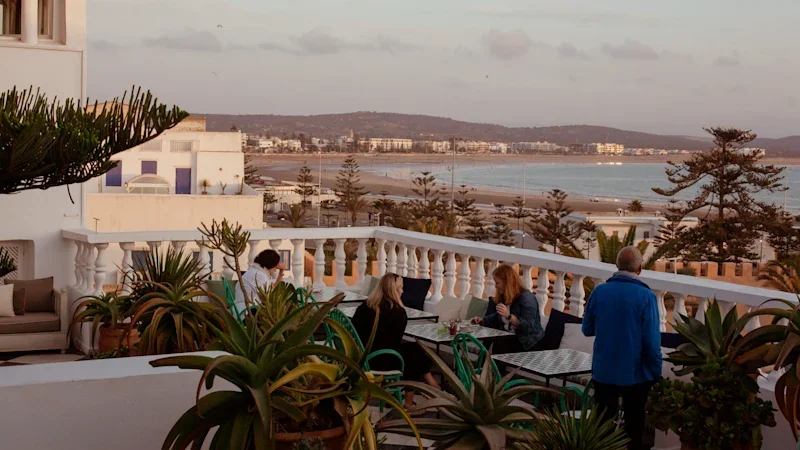
Villa Maroc is located within UNESCO-listed medina of Essaouira. The property claims to be Morocco’s first riad (a traditional Moroccan palace) hotel, although its origins are relatively modest.
It began as a private retreat in 1988, opened as a hostel in 1990 and was bought by the family of its current manager, Mounia Ezzaher, in the mid-1990s. Over time, four traditional houses were linked to create the present 21-room hotel.
The family also owns a farm outside Essaouira. “Domaine Villa Maroc is a working olive farm and is at the heart of what we’re trying to do,” says Ezzaher.
Guests can join walks through the olive groves, taste the farm’s oil, harvest seasonal produce, pick herbs and vegetables and use what they have gathered during farm-to-table cooking classes.
“Growing food, producing olive oil, preserving lemons or harvesting herbs aren’t activities we’ve created for visitors,” she says. “They’re simply part of everyday life here.”
The long dry affected that. “Like everyone working the land in Morocco, we felt the effects of the drought, particularly through lower olive yields,” says Ezzaher.
“It was a reminder of just how dependent agriculture is on nature and the changing climate. At the same time, it reinforced the importance of respecting seasonal rhythms and making the most of what the land gives us each year.”
Villa Maroc employs people across its hospitality and agricultural teams, sources its dining ingredients within Morocco and plans menus around seasonal availability. Products from the family’s groves are also used in its spa, including olive and argan oils, while other amenities are made by Moroccan suppliers.
“It gives guests a chance to experience Morocco in a very unfiltered way,” says Ezzaher. “Rather than simply taste Moroccan food or buy local products, they understand where it comes from and meet the people who make it.”
The difference may be most apparent to travellers who visited Morocco during the long dry spell and return now. Desert dunes, medinas and Atlantic beaches remain familiar, but beyond them, fuller reservoirs, greener hills and recovering farms reveal a country emerging from seven exceptionally difficult years.
See villa-maroc.com