Why USB-B never became as popular as USB-A or USB-C
It was never meant to replace USB-A.
Kohei275/Shutterstock
If you're wondering how and why we jumped straight from USB-A to USB-C, well, we didn't — most people simply aren't familiar with the USB-B connector and the role it has played for decades. The history of USB may surprise you. Both Type-A and Type-B connectors were introduced at the same time in 1996, with the goal of replacing the mess that proprietary connectors and ports had created. USB-A is, of course, the more popular connector type that is still in widespread use today. It's mostly found on computers, older laptops and chargers. In other words, your host devices.
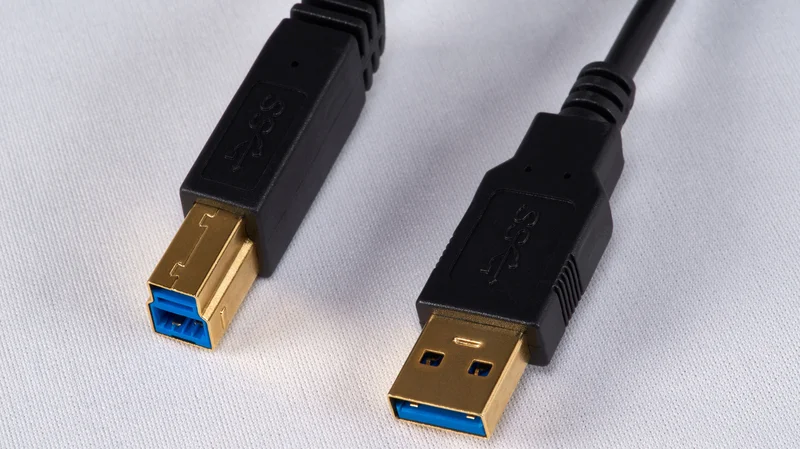
USB-B, on the other hand, was designed specifically to be used to connect peripherals like printers and external hard drives to a host device. By using two distinct connector types, the USB standard at the time made sure that people wouldn't accidentally connect two host or two peripheral devices together. This also helped ensure that these cables could only be connected in the intended direction. Although data could travel in both ways, power typically only flows from the host device to the peripheral.
USB-B features a squarish connector type and is broader than USB-A. While larger devices like printers and scanners could accommodate bigger ports, USB-B was simply too bulky for portable electronics. This is why mini USB and micro-USB came after, offering smaller connector types that were better suited for compact gadgets like smartphones or MP3 players. We've now migrated mostly to USB-C, which is a compact and reversible connector, but USB-B hasn't faded into obscurity just yet.
If it ain't broke, don't fix it
Jisib Taqwana/Shutterstock
Despite being three decades old, the USB-B connector can still occasionally be found on modern electronics, including printers and musical equipment. The biggest reason is likely just compatibility. After having relied on the port for years, it would be inconvenient if existing cables and workflows suddenly became obsolete. The design of the USB-B connector ensures it offers a secure physical connection that's not as easy to accidentally yank out. Since it is primarily meant to be used for office electronics or professional equipment that often go months or even years without needing to be disconnected, there is little benefit in replacing it with a USB cable just because it's smaller and reversible.
That said, USB-C has now become the go-to connector for most consumer electronics. Like I just said, it's smaller, reversible and also more capable than any previous USB standard. Although high speeds aren't always guaranteed with USB-C, the connector itself supports higher bandwidth, power delivery capabilities and video output through standards like USB4 and Thunderbolt.
As newer generations of electronics gradually adopt USB-C, USB-B may eventually fade away. Until then, it's likely to remain the preferred choice for peripherals that value backward compatibility and familiarity over newer features they currently don't need.