His first report showed annual revenue remained relatively stable between 2024 and 2025 at about $12m.
The interior of Burger Burger. Photo / Babiche Martens
But increasing labour, food and occupancy costs significantly reduced gross margins and operating profitability.
Last year, the business moved from a modest operating profit to a loss despite maintaining revenue at approximately $12.4m.
Management responded by cutting underperforming restaurants and implementing cost reduction moves, including reducing head office overheads.
Gross margin declined from 31% in 2024 to 21% this year, and the company recorded an EBITDA loss of approximately $785,000 and a net loss before tax of approximately $1.35m.
Immediately before the administrators’ appointment, the remaining restaurant portfolio was generating annualised revenue of about $6.5m.
Back in 2015, this was how the Newmarket store looked. Photo / Babiche Martens
Although head office overheads appeared to have been further reduced, the business continued to trade at an estimated annualised loss of approximately $480,000.
“The remaining operations were not generating sufficient operating cash flow to fund ongoing trading or meet liabilities as they fell due without substantial external financial support,” the initial report this month said.
Secured creditors are owed $500,000, staff are owed holiday pay or alternate leave of $250,000, Inland Revenue is owed $800,000 and unsecured creditors want $1.5m.
Burger Burger needs about $1m capital injection. Photo / Babiche Martens
A further $2m is owed to the shareholder – capital invested in store fitouts and development of the business.
Total assets of $2.9m are estimated. Liabilities are put at $2.3m.
ASB is a first-ranking creditor, and Hoole said he had maintained regular contact with it.
BurgerBurger Holdings was put into receivership by a landlord of the Torbay store. Waterstone accountants have been appointed.
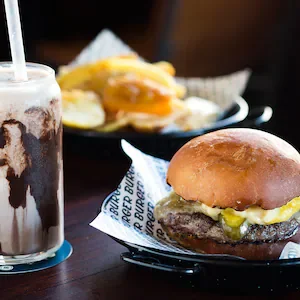
Burger Burger offering. Photo / Babiche Martens
“But the trading company and the IP company are now in administration, under my control with Ray Cox,” Hoole said.
“The administrators intend to continue to trade the businesses with a view to putting together a rescue package which will allow the businesses to continue in the future or seek a buyer.”
He said the voluntary administration regime was aimed at rehabilitation, not closure of a business.
Anne Gibson has been the Herald’s property editor for 26 years, written books and covered property extensively here and overseas.
- Stay ahead with the latest market moves, corporate updates, and economic insights by subscribing to our Business newsletter – your essential weekly round-up of all the business news you need.