AI & Machine Learning 10
-
Meta's Bold AI Talent Heist Unfolds

Meta has executed a high-stakes talent raid by hiring five founding members from Mira Murati's AI startup, Thinking Machines Lab, after a rejected $1 billion acquisition offer. This aggressive move, including a $1.5 billion deal for co-founder Andrew Tulloch, highlights the fierce competition in the AI sector. Meta's reshaped AI division, led by Alexandr Wang, aims to leap ahead with new models like Muse Spark. The escalating talent war signals a pivotal moment in AI innovation and corporate strategy.
-
Clarifai Deletes 3M OkCupid Photos Amid Privacy Row

Clarifai, an AI facial-recognition firm, has deleted around 3 million OkCupid user photos and the associated models after the FTC's privacy settlement with OkCupid. The data transfer, dating back to 2014, violated OkCupid's own privacy policy as users were unaware their photos were shared. While Clarifai faced no penalties, the case spotlights ongoing concerns about AI ethics and user privacy. The FTC's limited enforcement raises questions about future protections for personal data in AI training.
-
AI Risk Calculus: Key to Smart Chatbot Adoption

Organizations rushing to implement AI chatbots often skip thorough risk assessments, leading to costly failures. A recent Harvard Kennedy School report by Mark Fagan and colleagues highlights the necessity of combining AI risk frameworks with traditional cost-benefit analyses. By enumerating, assessing, and quantifying AI risks, decision-makers can better navigate potential pitfalls and make informed choices. This approach is vital as AI adoption accelerates across public and private sectors.
-
NY Proposes AI Dividend to Offset Job Losses

New York lawmaker Alex Bores has unveiled a bold plan called the AI Dividend to counteract potential job losses caused by AI automation. The proposal includes direct payments to Americans funded by taxes on AI use and equity stakes in AI firms, aiming to support displaced workers and invest in retraining programs. This initiative responds to concerns over thousands of jobs lost monthly to AI, with Bores pushing the plan as part of his congressional campaign. The next steps hinge on legislative support and the success of Bores' run for office.
-
Amazon Pumps $5B Into Anthropic AI

Amazon has invested an additional $5 billion into Anthropic, boosting its total stake to $13 billion. In return, Anthropic commits to spending over $100 billion on AWS cloud services in the next decade, leveraging Amazon’s cutting-edge Trainium AI chips. This deal mirrors Amazon’s recent massive investment in OpenAI, underscoring its strategy to dominate AI infrastructure. Industry watchers anticipate Anthropic may soon announce a new funding round valuing it near $800 billion.
-
Semrush Unveils AI Brand Visibility Metric

Semrush has introduced its Brand Visibility Framework featuring 'Agentic Search Optimisation' to measure how brands appear in AI-generated search results, traditional search, and autonomous AI agents. This comes amid a 61% drop in organic click-through rates where AI Overviews appear and reveals that 62% of brands remain invisible to generative AI. With AI product revenue soaring 850% to $38 million ARR, Semrush positions itself as a key player in the evolving AI search landscape, just as its $1.9 billion acquisition by Adobe nears completion. The framework aims to redefine brand discovery in an AI-driven world, offering marketers new tools to navigate this shift.
-
LinkedIn's AI Gets Smarter with Memory
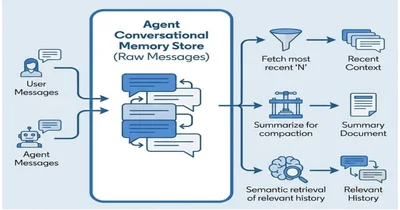
LinkedIn has launched its Cognitive Memory Agent (CMA), a breakthrough AI system that remembers and adapts across sessions, overcoming the stateless limits of traditional language models. This memory-driven approach powers smarter tools like the Hiring Assistant by maintaining context and personalizing interactions over time. Engineers highlight CMA's layered memory architecture as key to enabling continuous, coordinated AI workflows. As AI shifts toward persistent memory, LinkedIn's innovation signals a new era for enterprise AI applications.
-
LinkedIn's AI Memory Breakthrough
LinkedIn has unveiled its Cognitive Memory Agent (CMA), a game-changing memory system designed to give AI agents persistent, context-aware capabilities. This innovation tackles the stateless nature of large language models by enabling AI to remember and adapt across sessions, enhancing personalization and efficiency in applications like its Hiring Assistant. By layering episodic, semantic, and procedural memory, CMA supports continuous learning and multi-agent coordination, marking a shift toward truly stateful AI systems. The next step involves refining memory management to balance relevance and system performance at scale.
-
Anthropic’s Mythos Fuels Cyberattack Surge

Security experts warn that Anthropic's new Mythos AI model could supercharge cyberattacks, as AI-enabled breaches jumped 89% in 2025. The average time hackers take to act after breaching systems dropped to just 29 minutes, highlighting a dangerous acceleration. Concerns grow that Mythos might uncover more vulnerabilities than companies can handle, raising alarms about AI agents autonomously exploiting systems. While no perfect defense exists yet, some experts remain hopeful AI can eventually patch historic security flaws and boost global cybersecurity.
-
Cloudflare's AI Stack Powers 93% R&D
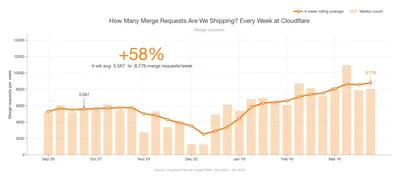
Cloudflare has integrated AI deeply into its engineering workflow, with 93% of its R&D team using AI coding tools built on its own platform. Over the past month, more than 3,600 internal users made nearly 48 million AI requests, leveraging products like AI Gateway and Workers AI to boost developer productivity. This internal AI stack, developed by a dedicated tiger team, not only accelerates code review and onboarding but also runs on the same infrastructure Cloudflare offers publicly. The company plans to continue enhancing these tools, driving further innovation across its engineering teams.
Tech & Gadgets 10
-
Sony Enforces Age Checks on PlayStation UK

Starting June 2026, Sony will require age verification for PlayStation users in the UK and Ireland to access social features like voice chat, messaging, and broadcasting. This move aligns with the UK's Online Safety Act and follows a similar rollout by Microsoft on Xbox. Players can verify their age early via mobile number, face scan, or ID through Sony's partnership with Yoti. Without verification, users can still play games but lose access to key communication and sharing features.
-
Apple's AI Crossroads: Ternus Takes Helm

Apple's incoming CEO, John Ternus, faces a pivotal challenge: defining the company's AI strategy amid fierce competition. Despite Apple's $4 trillion market cap and dominance in consumer devices, it has lagged behind rivals like Microsoft and Google in AI investments. Ternus, a hardware veteran, is expected to push Apple deeper into AI, focusing on integrated AI-capable devices and new wearables. As Tim Cook steps down, investors eagerly await Ternus's vision for Apple's AI-driven future.
-
Instagram Bug Turns Photos Black & White

Instagram confirmed a bug caused some users' color photos, especially HDR images, to appear in black and white. The issue affected a subset of accounts starting mid-April, sparking user complaints. Instagram has since fixed the problem and assured that affected posts will automatically revert to their original colors within hours. The company apologized for the inconvenience and is monitoring the situation closely.
-
Motorola Sets April 29 for New Razr Launch

Motorola has officially announced April 29 as the launch date for its new Razr foldable phones, teasing fresh colors including black, green, and purple. The lineup will feature the Razr 2026, Razr Plus 2026, Razr Ultra 2026, and the book-style Razr Fold. Prices are expected to rise, with the base model starting at $799.99, and US availability slated for May 21. This launch marks a significant step in Motorola's foldable phone ambitions.
-
Apple Revamps Hardware Division into Five Units

Apple has restructured its hardware division into five key areas under the leadership of newly promoted Chief Hardware Officer Johny Srouji. This reorganization merges hardware engineering and technologies into one group, aiming to boost innovation and streamline development. With seasoned veterans like Tom Marieb and Sri Santhanam heading critical sectors, Apple is positioning itself for a bold future under CEO John Ternus. The move signals a strategic shift as the company prepares for its next generation of products.
-
Google Photos Launches Subtle Face Fixes

Google Photos has introduced new face touch-up tools allowing users to make quick, subtle edits to selfies and portraits. The features include smoothing skin, removing blemishes, brightening eyes, and whitening teeth, with adjustable intensity sliders for personalized enhancement. Rolling out gradually on Android devices with 4GB RAM and Android 9 or later, this update aims to help users capture how they feel in the moment. The company emphasizes subtlety to avoid the pitfalls of over-retouching, signaling a careful approach amid ongoing debates about social media's impact on self-image.
-
Meta Tests Paid WhatsApp Plus Upgrade

Meta has launched a test for WhatsApp Plus, a paid subscription costing about €2.49 per month that offers cosmetic upgrades like custom chat themes, icons, and expanded pinned chats. This move follows Instagram Plus and marks Meta's first simultaneous rollout of paid tiers across its apps, aiming to diversify revenue beyond advertising. Currently limited to a small group of Android users, WhatsApp Plus focuses on personalization rather than functional enhancements. Meta plans to gather user feedback before expanding features and possibly integrating AI-powered tools in future subscription tiers.
-
Apple CEO Tim Cook Steps Down, Ternus Takes Helm

Tim Cook is stepping down as Apple CEO after nearly 15 years, transitioning to executive chairman of the board. His successor, John Ternus, currently senior vice president of hardware engineering, will officially become CEO on September 1. This leadership change marks a new chapter for Apple as it continues to innovate under Ternus's engineering-driven vision.
-
Apple Names Johny Srouji Chief Hardware Officer

Apple has appointed Johny Srouji as its new Chief Hardware Officer, expanding his role as John Ternus moves up to CEO. Srouji, who has been instrumental in driving Apple's transition to Apple silicon, will now oversee all hardware engineering efforts. This leadership change signals Apple's continued focus on innovation in chip design and hardware integration. Industry watchers expect Srouji to steer Apple's hardware strategy into its next phase of growth.
-
Samsung's Galaxy Buds Take Open-Ear Leap

Leaks reveal Samsung's upcoming Galaxy Buds Able will sport a clip-like, open-ear design, a sharp departure from previous in-ear models. The design, uncovered in One UI firmware by SammyGuru, hints at bone conduction technology allowing users to stay aware of their surroundings while listening. This new approach aligns Samsung with competitors like Sony and Anker, signaling a fresh direction for their audio lineup. Fans eagerly await official details and confirmation of the final product name.
War & Conflicts 10
-
France Hunts €4bn to Fund Middle East War

France's Prime Minister Sebastien Lecornu has called for €4 billion in budget savings to cover the soaring costs of its involvement in the Middle East conflict. Finance Minister Roland Lescure estimates the total expense could reach between €5 and €6 billion, largely driven by rising national debt servicing costs. The government is considering austerity measures, including a potential spending freeze, amid downgraded economic growth forecasts. Lecornu is set to unveil consumer support plans for rising energy prices soon.
-
US-Iran Tensions Spike as Ceasefire Ends

As the fragile ceasefire between the US and Iran expires, tensions escalate with both sides exchanging stark warnings. US President Donald Trump insists the blockade on Iranian ports will continue until a deal is reached, threatening renewed military action. Meanwhile, Iran’s Parliament Speaker Mohammad Bagher Ghalibaf vows to unveil “new cards” on the battlefield if fighting resumes, rejecting negotiations under threat. Diplomatic talks are slated to continue in Pakistan, but uncertainty looms over Iran's participation and the fragile peace.
-
Nigeria Charges Alleged Coup Plotters

The Nigerian government has filed a 13-count treason charge against alleged coup plotters in a bid to quash dissent against President Bola Tinubu's administration. Among the accused are a retired Major-General, a retired naval captain, and a serving police inspector, part of a wider group of 40 suspects linked to the plot. This crackdown signals a firm stance on national security as investigations conclude. The case now moves to the Federal High Court in Abuja for trial.
-
China Champions Peace Amid Middle East Turmoil

Chinese President Xi Jinping has called for an immediate and comprehensive ceasefire in the Middle East, emphasizing the importance of keeping the Strait of Hormuz open for normal passage. This diplomatic push comes amid escalating tensions following the US-Iran conflict and recent US actions such as seizing an Iranian cargo ship. While China's influence in the region remains limited, its growing role as a mediator signals Beijing's strategic intent to shape regional stability. The coming weeks will test whether these efforts can translate into lasting peace.
-
Israeli Settler Kills Palestinian Teen in Hebron

A 16-year-old Palestinian, Mohammad Majdi al-Ja’bari, was fatally struck by a vehicle driven by an Israeli settler near Hebron early Tuesday morning. The driver is reportedly part of the security team for an Israeli minister residing in the nearby Kiryat Arba settlement. This tragic incident on Route 60 has intensified tensions in the occupied West Bank, highlighting the ongoing volatility in the region. Authorities are investigating the circumstances surrounding the fatal crash.
-
US Navy Seizes Iranian Ship Touska

The US Navy seized the Iranian-flagged cargo ship Touska in the Strait of Hormuz after firing on its engine room following ignored warnings. The vessel, part of the sanctioned Islamic Republic of Iran Shipping Lines, is suspected of carrying dual-use items potentially for military use. Iran condemned the seizure as illegal and barbarous, filing complaints with the UN and warning of dangerous consequences. This incident sharply escalates tensions in the region and threatens to prolong the blockade and conflict around the strategic waterway.
-
Thousands of Bandits Neutralized in Bauchi Raid

Bauchi State Governor Bala Mohammed announced that thousands of bandits were neutralized in a major security operation targeting criminal hideouts across the state, especially in Alkaleri and nearby areas. The offensive, supported by President Bola Ahmed Tinubu and coordinated among military, air force, police, and intelligence agencies, destroyed key bandit camps and disrupted their logistics. This operation, lasting about two weeks, has restored relative calm and security, with follow-up measures planned to prevent regrouping. Residents are urged to stay vigilant and assist security forces in maintaining peace.
-
US-Iran Ceasefire Nears, Talks Stall

As the fragile US-Iran ceasefire approaches its Wednesday deadline, diplomatic efforts remain uncertain with both sides exchanging sharp threats. President Donald Trump warned of unprecedented problems if talks fail, while Iran's Mohammad Bagher Qalibaf vowed to unveil new battlefield strategies. Scheduled negotiations in Pakistan hang in the balance amid rising tensions and unresolved issues like sanctions and the Strait of Hormuz. The world watches closely as the risk of renewed conflict looms.
-
Ukraine Repels Massive Russian Drone Swarm

On April 20-21, Ukrainian Air Defense forces shot down 116 of 143 Russian drones launched in a large-scale attack from multiple directions, including Crimea and occupied Donetsk. Despite the heavy drone barrage and two Iskander-M missile strikes, Ukrainian forces successfully defended key regions, though 15 people were injured in Sumy, including three children. The ongoing conflict saw 174 combat clashes and intense fighting in sectors like Pokrovsk and Huliaipole, with Russia suffering over 1,000 casualties in the past day alone. Ukraine remains vigilant as the drone attacks continue and Russian forces persist in their assaults.
-
Russia, Iran Warn US: Ceasefire at Risk

Russia and Iran have jointly issued a stern warning about the potential for renewed escalation in tensions with the United States, emphasizing the fragile nature of the current ceasefire. Their statement underscores the urgent need to preserve peace and avoid actions that could destabilize the region further. This development signals rising geopolitical friction and raises concerns about the durability of diplomatic efforts. Observers will be watching closely to see if this warning prompts a de-escalation or further confrontations.
Disasters & Emergencies 10
-
Three Critical in Melbourne Crashes

A woman in her 60s, a school-aged child, and a 21-year-old motorcyclist are all in critical condition following two major crashes in Victoria on Tuesday morning. The first collision involved a Kia Carnival and Kia Sportage on Airly Road, about 225 km east of Melbourne, while the second saw a motorcyclist collide with multiple vehicles on the Calder Freeway in Keilor. Authorities are investigating both incidents, urging witnesses to come forward with any dash cam footage. These crashes highlight ongoing road safety challenges in the region.
-
Rising Rivers Force Carterton Evacuations

Heavy rain in Carterton, New Zealand, has prompted urgent evacuations as river levels rise dangerously. With the ground saturated, even brief heavy bursts risk flooding, threatening communities and travel. Authorities warn the rain will persist until Thursday, delaying recovery efforts and keeping residents on alert.
-
Ferry Fares Soar Amid Fuel Spike

Ferry operators between Hong Kong and Macau, including TurboJet and Cotai Water Jet, are hiking fares by up to 11% starting April 25 due to soaring fuel costs. A weekday economy ticket on TurboJet will jump from HK$175 to HK$194, reflecting a 10.9% increase. The government, led by Chief Executive John Lee Ka-chiu, is monitoring oil prices closely while supporting measures to ease the financial strain. Passengers should expect higher travel expenses as fuel prices remain volatile.
-
Tokyo Theme Park Worker Critically Injured

A woman in her 20s is in critical condition after being caught in the equipment of the Flying Balloon ride at Tokyo Dome City Attractions during an inspection on Tuesday. The accident happened around noon, leaving her in cardiopulmonary arrest. Authorities are investigating the cause while the park remains closed for the day. Rescue teams responded quickly, but the incident raises serious safety concerns at the popular amusement park.
-
Wellington Floods Trigger Emergency State

Wellington and surrounding regions in New Zealand have declared a state of emergency following torrential rains that caused widespread landslides and flash floods. Over 100 schools were closed, and residents were urged to evacuate or stay off roads due to dangerous conditions. Power outages affected hundreds of properties, with ongoing repair efforts and flood monitoring continuing as heavy rain persists. Authorities warn that the risk of further landslides remains high, urging vigilance and preparedness.
-
Farm Worker Charged After Gliding Club Ram Raid

A 28-year-old farm worker, David Neho, has been charged following a ram raid at the Kaikohe Gliding Club in Northland, New Zealand, which caused $250,000 in damage. The raid involved theft of a tractor and damage to five gliders, forcing the club to shut down temporarily. Neho faces multiple charges including burglary and unlawful vehicle taking, with a bail hearing scheduled for April 28. The incident highlights the challenges volunteer clubs face when opting out of insurance to keep costs low.
-
Spring Floods Trigger Emergencies in Canada

Parts of Manitoba and Ontario have declared states of emergency as spring floods threaten communities and infrastructure. In Manitoba, First Nations like Peguis and Fisher River brace for water levels not seen since 2022, with efforts underway to protect homes and relocate vulnerable elders. Ontario’s Minden Hills and Nipissing face rising waters, road closures, and evacuations, while Quebec’s Gatineau and Montreal prepare for flooding with road closures and barriers. Authorities urge residents to stay alert as more flooding is expected in the coming days.
-
Wildfire Strands 200 on Amtrak Nearly 24 Hours

A wildfire in Florida forced more than 200 Amtrak passengers to remain stranded on a train for almost 24 hours, highlighting the growing risks of extreme weather events disrupting travel. The blaze caused a complete halt in train traffic, leaving travelers stuck without alternatives. Authorities are now assessing the situation and planning recovery efforts as conditions improve.
-
Edmonton Fire Displaces Over 200 Residents

A massive early morning fire at the Wyndham Crossing apartment complex in northeast Edmonton sent one person to hospital and displaced more than 200 residents. Firefighters battled intense heat and rescued people trapped on balconies, while some fled with only the clothes on their backs. This blaze echoes a similar devastating fire at the same complex last year, raising concerns about safety. Authorities continue investigating the cause as displaced residents face uncertain futures.
-
Mother, Child Leap to Escape Louisiana Shooting

In a harrowing escape from a deadly mass shooting in Louisiana, a woman and her child jumped from a roof to avoid the gunfire. The incident highlights the extreme danger civilians face during such violent outbreaks. Authorities have identified several young victims, underscoring the tragedy's devastating impact on families. Investigations continue as the community reels from the shock.
Science 10
-
Snail Species Protection Sparks Debate

Scientists are locked in a debate over the classification of certain threatened mollusks crucial to an Indigenous community's survival. The outcome could redefine legal protections for these species, impacting conservation efforts and Indigenous rights. As the discussion unfolds, stakeholders await decisions that may set new precedents for environmental law.
-
New Termite Trap Nets 95% Kill Rate
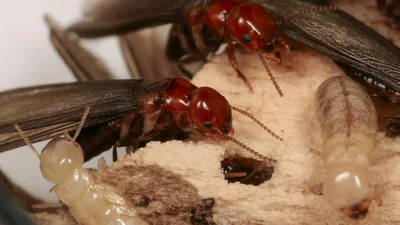
Scientists at UC Riverside have developed a breakthrough method to combat western drywood termites by using pinene, a tree-derived scent, to lure termites into insecticide-treated wood. This approach boosts mortality rates from around 70% to over 95%, offering a cheaper and more targeted alternative to fumigation. The innovation promises safer, more effective termite control with fewer chemicals, potentially reducing reinfestation risks. Researchers plan to refine this strategy for broader pest management applications.
-
Mushrooms Might Help Make It Rain

New research from Virginia Tech reveals that some fungi, specifically from the Mortierellaceae family, have borrowed genes from bacteria to produce proteins that trigger ice formation in clouds. This ice nucleation process is crucial for rain development, suggesting mushrooms could influence weather patterns. Unlike bacterial proteins, fungal versions are smaller and water-soluble, potentially offering a safer alternative for cloud seeding. Scientists emphasize more studies are needed but see promise in harnessing these fungal proteins to control rainfall more naturally.
-
Nanodiamonds Defy Diamond Rigidity

New research from Zhengzhou University reveals that diamonds shrink to just a few nanometers become surprisingly elastic, losing about 30% of their stiffness. This challenges the long-held belief that diamonds are always rigid and opens new possibilities for their use in flexible quantum devices and novel electronics. The study, involving over 100 nanodiamonds compressed under diamond-tipped cylinders, highlights how surface atoms weaken bonds, making these tiny gems squishier than their bulk counterparts. As synthetic diamonds grow cheaper, this discovery could spark a wave of innovative applications.
-
Salmon on Coke: Wild Swim Surge

Scientists from the Swedish University of Agricultural Sciences have revealed that Atlantic salmon exposed to cocaine and its metabolite benzoylecgonine swim nearly twice as far as unexposed fish in the wild. This groundbreaking study, published in Current Biology, highlights how water pollution from human drug use is altering fish behavior, potentially disrupting ecosystems. The metabolite caused even stronger effects than cocaine itself, raising urgent questions about environmental risks. Researchers plan to explore how these changes impact survival and ecosystem dynamics next.
-
Muon Magnetic Mystery Nets $3M Prize

A team of hundreds of researchers measuring the magnetic properties of the muon particle has won a $3 million Breakthrough Prize, confirming key aspects of the standard model of particle physics. Despite the precision measurement of the muon's 'g-factor' to 127 parts per billion, puzzles remain as two calculation methods still disagree. The award celebrates decades of international collaboration across Fermilab, CERN, and Brookhaven, with scientists eager to continue probing these fundamental mysteries.
-
Cocaine Pollution Alters Salmon Behavior
Salmon in affected waterways are exhibiting unusual behaviors due to cocaine contamination, raising alarms among ecologists. This drug pollution disrupts natural patterns, potentially impacting salmon populations and the broader ecosystem. Scientists emphasize the urgent need for monitoring and mitigation to protect these vital fish species.
-
Genes Behind Extreme Morning Sickness Uncovered

A groundbreaking genetic study involving nearly 11,000 people with hyperemesis gravidarum (HG) has pinpointed 10 key genes linked to this severe pregnancy sickness, with the hormone gene GDF15 emerging as the primary culprit. This discovery overturns previous assumptions about hCG and estrogen's roles and opens new avenues for targeted treatments. Researchers, led by Marlena Fejzo, plan clinical trials using metformin to reduce symptoms, offering hope for millions affected worldwide.
-
Vitamin B7: Cancer's Hidden Weakness

Researchers at the University of Lausanne have discovered that depriving tumor cells of vitamin B7 halts their growth by disabling a key enzyme, pyruvate carboxylase. This enzyme allows cancer cells to bypass their glutamine addiction, a known metabolic vulnerability. The study, led by Dr. Miriam Lisci, also links mutations in the FBXW7 gene to increased glutamine dependence, explaining why some treatments fail. These insights pave the way for new cancer therapies targeting multiple metabolic pathways simultaneously.
-
Bacteria Rewire DNA to Shape Cells

Scientists at ISTA have discovered that cyanobacteria, key players in Earth's oxygenation, have repurposed an ancient DNA segregation system to control their cell shape. This system, renamed CorMR, forms a cytoskeleton-like network beneath the cell membrane rather than moving DNA. The finding sheds light on evolutionary innovation and multicellular development in these bacteria. Researchers plan to explore how this mechanism influences cyanobacterial adaptability and ecosystem roles.
Space & Exploration 10
-
Azerbaijan's Mud Volcano Islands Unveiled

NASA has spotlighted Azerbaijan's extraordinary mud volcano islands as part of its Earth observation efforts. Home to at least 220 mud volcanoes, Azerbaijan boasts one of the world's highest concentrations, with some estimates nearing 350. These geological features, including underwater volcanoes in the Caspian Sea, occasionally erupt violently, reshaping landscapes and posing risks. NASA's satellite imagery reveals unique island formations like Xərə Zirə Adası, highlighting ongoing volcanic activity and the dynamic nature of this 'land of fire.'
-
FAA Grounds Blue Origin's New Glenn Rocket

The FAA has grounded Blue Origin's New Glenn rocket after its third launch failed to place a satellite into the correct orbit. The upper stage engine underperformed, causing the AST SpaceMobile satellite to reach only about 95 miles instead of the planned 285-mile orbit, leading to its destruction upon reentry. Blue Origin must now conduct a thorough investigation and implement corrective actions before flights can resume, potentially delaying Amazon's satellite broadband plans and the Artemis lunar missions.
-
NASA Engineers Analyze Artemis II Success

Following the successful splashdown of NASA's Artemis II mission, engineers have begun an in-depth analysis of the Orion spacecraft, SLS rocket, and launch pad systems. The Orion's heat shield performed exceptionally well during reentry, with significantly reduced char loss compared to Artemis I. These assessments are crucial for refining hardware and procedures ahead of Artemis III, slated for 2027, which will pave the way for lunar surface missions and future Mars exploration.
-
Voyager 1 Powers Down Another Instrument

NASA has shut down the Low-Energy Charged Particles (LECP) instrument on Voyager 1 to conserve power as the spacecraft ventures through interstellar space. Now operating with only two science instruments, Voyager 1 continues to send valuable data from beyond the solar system despite its aging nuclear power source. Engineers plan to implement a new energy-saving strategy called the “Big Bang” to extend the mission’s life for about another year.
-
NASA Unveils Artemis III Rocket Core

NASA has rolled out the core stage of its Space Launch System (SLS) rocket for the Artemis III mission, set to launch astronauts to the Moon in 2027. This critical component, housing massive liquid hydrogen and oxygen tanks, was transported from New Orleans to Florida for final assembly. The rollout marks a major milestone in NASA's plan to return humans to the lunar surface and eventually reach Mars. Next, the rocket will undergo integration and testing ahead of its historic crewed lunar landing.
-
NASA Opens Media Access for SpaceX Launch

NASA has opened media accreditation for SpaceX's 34th Commercial Resupply Services mission to the International Space Station, scheduled for no earlier than May 12. The Falcon 9 rocket will deliver vital science experiments, supplies, and equipment to support ongoing research aboard the orbital laboratory. This mission highlights NASA's continued partnership with U.S. commercial providers to sustain space station operations and prepare for future deep space exploration. Media representatives must apply by April 29 to cover prelaunch and launch activities.
-
Latvia Joins Artemis Space Pact

Latvia has become the 62nd nation to sign the Artemis Accords, committing to responsible and peaceful space exploration. The signing took place at NASA headquarters in Washington, with Latvia's Minister for Education and Science, Dace Melbārde, representing the country. This move strengthens international cooperation for lunar missions and future space endeavors. As NASA plans sustained lunar presence, Latvia's participation signals its growing role in the global space community.
-
Lyrid Meteor Shower Peaks April 22

The Lyrid meteor shower is set to peak in the predawn hours of April 22, offering a spectacular celestial show. For those hindered by cloudy skies or light pollution, multiple high-quality livestreams from locations like Mauna Kea, Maine, and the Atacama Desert provide a front-row seat to the event. Viewers can even join live chats to catch meteor sightings in real time. Whether watching outdoors or online, this year's Lyrids promise a dazzling display for skywatchers worldwide.
-
Hubble Unveils Star Birth in Trifid Nebula

NASA’s Hubble Space Telescope has captured stunning new images of the Trifid Nebula, revealing intricate details of star formation about 5,000 light-years away. Marking Hubble’s 36th anniversary, these observations show changes over nearly three decades and highlight how massive stars sculpt the nebula, triggering fresh waves of star birth. With improved instruments and upcoming missions like the Nancy Grace Roman Space Telescope, astronomers are poised to deepen our understanding of stellar nurseries and cosmic evolution.
-
Fighting Gender Bias on Wikipedia

A dedicated group of editors, led by Carmen Galdón, has been correcting gender bias on Spanish Wikipedia for over a decade, creating hundreds of entries about overlooked women in history and science. Their work addresses the stark underrepresentation of women editors, which stood at just 11.6% in 2021, and challenges stereotypes embedded in language and content. As Wikipedia turns 25, the group faces new challenges from AI-driven search engines and reactionary discourse but remains committed to inclusive, well-sourced biographies. Their ongoing efforts highlight the importance of diverse voices in digital knowledge.
Health & Medicine 10
-
Long Covid Breakthrough Offers New Hope

A major breakthrough in treating long Covid is on the horizon, offering hope to millions suffering from debilitating symptoms like fatigue, dizziness, and brain fog. UK researchers, including Professor Mark Faghy, are testing antiviral drugs such as remdesivir and weight-loss medication tirzepatide, with early signs showing promise. This could revolutionize care for long Covid patients and those with similar post-viral syndromes. Full trial results are expected later this spring, potentially changing the landscape of long Covid treatment.
-
Blood Cancer Deaths Surge in NZ

Blood Cancer New Zealand warns that annual deaths from blood cancer have surged nearly 40% since 2008, highlighting that the country is lagging behind international treatment standards. Despite advances like immunotherapies transforming outcomes globally, many therapies remain unavailable in New Zealand, leading to poorer survival rates compared to Australia. With over 27,000 Kiwis living with blood cancer and more than 3,000 new diagnoses yearly, the charity calls for a national taskforce to improve access to medicines, workforce capacity, and research.
-
Pope’s Mobile Clinic Blocked from Gaza

A mobile health clinic housed in Pope Francis's Popemobile has been denied entry into Gaza, underscoring the persistent access challenges in the region. This blockage comes a year after the Pope's death, highlighting ongoing humanitarian obstacles. The denial raises urgent questions about medical aid delivery amid the conflict. Observers now watch closely to see if diplomatic efforts can resolve this impasse.
-
South Africa Declares Diabetes Health Crisis

Civil society groups in South Africa have declared diabetes a national health crisis amid soaring death rates, with over 27 people dying daily from complications. The Johannesburg Declaration calls for urgent government action, including dedicated funding and a national diabetes registry by 2027. Experts warn that without addressing diabetes, South Africa's broader health goals and equity plans risk collapse.
-
CAR-T Therapy Halts Myeloma Progression

Early trial results from Dana-Farber Cancer Institute reveal that CAR-T therapy, specifically Carvykti, eradicated detectable myeloma cells in all 20 high-risk smoldering multiple myeloma patients. This breakthrough suggests the possibility of preventing active multiple myeloma, a major advance over current treatments like Darzalex, which only delay progression. Experts are now debating whether this approach could redefine treatment goals and even hint at a cure. Further studies will determine if these promising results hold long-term.
-
$806M Boost to Save Mothers, Kids

The Global Financing Facility (GFF) has secured a massive $806 million in funding to accelerate its fight against preventable maternal and child deaths. This marks a major step toward its $1 billion target by 2026, aiming to expand life-saving health services in up to 50 high-burden countries. Backed by governments and philanthropies like the Gates Foundation, the new funds will also support innovations and supply chain improvements. The GFF's bold plan promises faster, broader impact on global health, with Nigeria among key beneficiaries facing critical maternal health challenges.
-
Pfizer Strategy Chief Exits Abruptly

Andrew Baum, Pfizer's EVP and chief strategy and innovation officer, has left the company just two years after joining from Citi. His departure signals a shift as Pfizer aims to streamline operations and accelerate decision-making. Baum will remain an adviser to CEO Albert Bourla through the end of 2026. This move raises questions about Pfizer's future strategic direction amid ongoing industry challenges.
-
New Blood Filter Could Save Sepsis Lives

A groundbreaking technique that filters out the protein galectin-3 from blood plasma shows promise in improving survival rates for sepsis patients. Tested successfully in rats and miniature pigs, this method boosted survival from 25% to 57% in rats and from 27% to 69% in pigs. With sepsis causing millions of deaths globally, this innovation could revolutionize treatment. Researchers plan to launch human clinical trials in 2027 to confirm its effectiveness.
-
Gene Behind Extreme Pregnancy Nausea Found
Scientists have pinpointed the gene GDF15 as the primary cause of hyperemesis gravidarum (HG), a severe pregnancy nausea condition affecting up to 10.8% of pregnant people. This breakthrough, from the largest genetic study involving nearly 11,000 HG cases, opens the door to targeted treatments for a disorder that currently lacks FDA-approved options. Researchers also identified other genes linked to HG, including one tied to diabetes risk, suggesting new drug targets. A clinical trial testing metformin to reduce HG symptoms is planned for this summer.
-
Vitamin B7: Cancer’s New Achilles’ Heel
Scientists at the University of Lausanne have discovered that depriving tumor cells of vitamin B7 halts their growth by disabling a key enzyme, pyruvate carboxylase, crucial for cancer metabolism. This breakthrough reveals why some cancers resist glutamine-blocking treatments and highlights a metabolic vulnerability linked to mutations in the FBXW7 gene. The findings pave the way for novel therapies targeting multiple metabolic pathways to outsmart cancer’s adaptability.
Cybersecurity & Privacy 10
-
Adaptavist Hit by Ransomware, Fake Emails Flood Inboxes

Adaptavist Group, a UK software consultancy, is grappling with a security breach after attackers used stolen credentials to access its systems. A ransomware gang called "The Gentlemen" claims to have stolen extensive data, including customer records and source code, though the company insists no client systems or sensitive personal data were compromised. Meanwhile, clients face a wave of imposter emails attempting phishing scams. The investigation is ongoing as Adaptavist works to contain the fallout and reassure its customers.
-
Arbitrum Freezes $71M in Kelp Hack

Arbitrum's Security Council has frozen approximately 30,766 ETH worth around $71 million linked to the recent KelpDAO exploit. This emergency action moves the stolen funds into a frozen intermediary wallet, restricting hacker access and marking a rare governance intervention on a permissionless network. The freeze recovers about a quarter of the total $292 million stolen, potentially easing loss socialization debates and aiding law enforcement efforts. The next steps depend on further governance decisions and whether other chains act similarly.
-
Coin Center: Code Equals Free Speech

Crypto lobby Coin Center has reinforced its stance that software code is protected free speech under the US First Amendment. Executive Director Peter Van Valkenburgh and Research Director Lizandro Pieper argue that writing crypto code is akin to publishing a book or recipe, deserving constitutional safeguards. This distinction matters as courts grapple with developer liability amid recent convictions like Tornado Cash's Roman Storm. Coin Center calls for clear legal frameworks to protect developers unless they directly control user assets or transactions.
-
Lovable Denies Data Leak, Blames HackerOne

AI coding startup Lovable refutes claims of a massive data breach exposing user credentials, chat histories, and source code, attributing the issue to 'intentional behavior' and unclear documentation. The vulnerability, a Broken Object Level Authorization (BOLA) flaw, allowed free accounts to access sensitive data from other users. After initially dismissing the report as a duplicate, Lovable later admitted to a backend mistake that re-enabled public chat access, blaming bug bounty partner HackerOne for mishandling the issue. The company has since patched the flaw and promised to improve its security practices.
-
$290M KelpDAO Hack Linked to Lazarus

KelpDAO suffered a massive $290 million crypto theft over the weekend, with North Korea's notorious Lazarus Group suspected behind the attack. The hackers exploited vulnerabilities in KelpDAO's cross-chain rsETH token system, using falsified blockchain data to bypass security. This incident marks one of the largest crypto heists of the year, following a similar $280 million theft from Drift Protocol. Investigations continue as the DeFi community braces for potential ripple effects.
-
Gentlemen Ransomware Boosts Attacks with SystemBC Botnet

The Gentlemen ransomware gang has escalated its operations by leveraging the SystemBC proxy botnet, which includes over 1,570 infected corporate hosts worldwide. This botnet enables stealthy payload delivery, targeting mainly organizations in the US, UK, Germany, Australia, and Romania. Researchers warn this signals a shift toward more sophisticated, large-scale attacks as the gang integrates advanced post-exploitation tools. Cybersecurity teams are urged to watch for new attack patterns and deploy updated detection methods.
-
Seiko USA Website Hacked, Data Held Hostage

Over the weekend, the Seiko USA website was defaced by hackers who claim to have stolen the company's Shopify customer database. The attackers displayed a ransom message threatening to leak sensitive customer data including names, emails, and order histories unless a ransom is paid. Visitors to the site saw a warning that Seiko USA has 72 hours to negotiate or face public data exposure. So far, Seiko USA has not publicly responded, but the extortion message has been removed from the site.
-
Critical SGLang Flaw Enables Remote Hacks

A severe vulnerability, CVE-2026-5760, has been uncovered in SGLang, an open-source AI serving framework, allowing attackers to execute arbitrary code remotely via malicious GGUF model files. The flaw exploits a Jinja2 template injection in the reranking endpoint, posing a major security risk with a CVSS score of 9.8. Experts warn that without patching, systems remain exposed to remote code execution attacks. The recommended fix involves sandboxing template rendering to block malicious payloads.
-
Vercel Hit by AI Tool Breach, $2M Ransom

Vercel, the cloud platform behind Next.js, suffered a security breach after an employee gave unrestricted access to a third-party AI tool, Context.ai, compromising their Google Workspace account. The attacker, linked to the ShinyHunters group, is demanding a $2 million ransom for stolen non-sensitive environment variables. Vercel has engaged cybersecurity firm Mandiant and notified law enforcement, urging customers to rotate API keys and review deployments. The incident highlights risks of broad AI tool permissions and prompts tighter security measures moving forward.
-
Microsoft Teams Exploited in Helpdesk Scams
Microsoft has revealed a surge in cyberattacks exploiting Microsoft Teams, where hackers impersonate IT helpdesk staff to trick employees into granting remote access. Using legitimate tools like Quick Assist and Rclone, attackers move laterally within networks to steal sensitive data, blending malicious activity with normal operations. This sophisticated nine-stage attack chain highlights the growing threat of trusted collaboration platforms being weaponized. Microsoft urges users to treat external Teams contacts cautiously and tighten controls on remote assistance and WinRM usage.
Gaming & Esports 10
-
Mass Effect TV Writer Denies Rewrites

Writer and executive producer Daniel Casey has denied reports that the Mass Effect TV series was rewritten to appeal to non-gamers. Contrary to earlier claims, Casey said on Bluesky that no such directive was given to him or the writing team. This clarification comes amid ongoing anticipation for the Amazon adaptation, which remains tight-lipped on plot and casting details. Fans await further updates as the series promises a fresh story set after the original trilogy.
-
Buck Bumble Remake Buzzes Back

The cult 1998 Nintendo 64 shooter Buck Bumble is reportedly getting a high-resolution remake from British studio Argonaut Games, which recently revived itself with a Croc remaster. The original game featured a cyborg bumblebee battling evil in a futuristic London and has gained renewed attention despite mixed reviews at launch. Fans can expect official announcements soon as the studio teases the project on social media, signaling a promising revival of this quirky classic.
-
Mastering Windrose Factions Fast

In the hit pirate RPG Windrose, building reputation with the four factions—Smugglers, Buccaneers, Brethren, and People of Tortuga—is key to upgrading your ship and unlocking new gear. Players should prioritize reaching Rank 2 with the Brethren for ship designs, then the Smugglers for hull upgrades and naval tactics. Efficient trading of insignias and Letters of Favor, plus strategic use of fast travel and crafting tools, can accelerate progress. With faction quests and unique buyers scattered across islands, knowing where and how to trade is essential for dominating the high seas.
-
Pro Gamer Banned 10 Years for Onstage Punch

German Counter-Strike 2 pro MAUschine has been slapped with a 10-year ban after sucker-punching rival Spidergum live onstage at the CAGGTUS Leipzig tournament. The incident followed a heated match where Spidergum taunted MAUschine with his own catchphrase, sparking the assault. Tournament organizers swiftly condemned the violence, emphasizing zero tolerance and reporting the case to the Esports Integrity Commission. Meanwhile, Spidergum joked about the punch's accuracy, hinting at possible legal follow-up. This dramatic fallout underscores the high stakes and pressures in competitive esports.
-
Play as the Pope in Crusader Kings 3

Paradox Interactive announced a major expansion for Crusader Kings 3 titled By God Alone, launching in Q3 2026, which will let players take on the role of the Pope. This expansion overhauls the game's religious systems, introducing new mechanics like Rites and spiritual fulfillment, making the Christian church a dynamic institution. Later in Q4, another expansion, Silk & Silver, will add merchant republic gameplay, allowing players to control trade routes and political influence. These updates promise to deepen the strategic complexity and role-playing opportunities in CK3.
-
Petit Planet: Cozy Clone with Fresh Twists

Petit Planet initially strikes as a blatant Animal Crossing clone, but after 15 hours, it reveals a trove of innovative features that elevate the cozy life sim genre. Developed by HoYoverse, the game introduces streamlined mechanics like bulk crafting, precision farming, and a charming AI chatbot named Nalo, enriching the social and gameplay experience. While concerns about monetization and multiplayer safety linger, Petit Planet’s unique charm and thoughtful design could make it the next big cozy hit. Fans eagerly await how HoYoverse will balance these elements in the full release.
-
Playdate Bans AI-Generated Content

Panic, the maker of the Playdate handheld console, has banned AI-generated art, music, and writing from its digital storefront, while still allowing AI coding tools with disclosure. This move follows controversy over a game using ChatGPT and aims to maintain game quality and community trust. Unlike major platforms, Playdate is pioneering clear distinctions between creative and technical AI uses. The upcoming Season 3 collection will exclude any generative AI content entirely.
-
Starfield Rockets to PS5 Sales Crown

Bethesda's Starfield soared to the top of the U.S. sales charts during its first week on PlayStation 5, marking its best performance since the game's initial launch. The release was boosted by major content updates, including the free Free Lanes update and the paid Terran Armada expansion, which enriched gameplay for existing fans. With PS5 sales accounting for 95% of new full game purchases, Starfield's resurgence highlights the impact of platform expansion. Industry watchers will be keen to see if this momentum continues in the coming weeks, especially with rumors of a Switch 2 port on the horizon.
-
Ball x Pit Adds 11 New Power Balls

Ball x Pit is gearing up for a major update on April 27, introducing 11 new balls with unique abilities, two new characters, and fresh gameplay features. This expansion promises to deepen the roguelite brick-breaking action with new strategies, including balls that freeze, paralyze, or warp around the screen. Fans can also expect new passive upgrades and a building that lets players modify their character upgrades. This update is the second of three free expansions planned for 2026, keeping the game fresh and exciting.
-
Dragon Ball: Sparking! Zero Gets Massive DLC

Dragon Ball: Sparking! Zero is gearing up for a major summer expansion with the release of Super Limit Breaking NEO. This DLC adds over 30 new fighters, including fan favorites like Super 17 and Bardock (Super Saiyan), plus fresh customization options and four new stages. The update also introduces the Limit Breaker Journey mode, enhancing single-player content, and revamps the battle system for faster, more dynamic combat. Fans can look forward to a richer, more varied fighting experience when the expansion launches.
Dev & Open Source 10
-
Good Egg Scores GitHub PR Trustworthiness

A new open-source tool called Good Egg assigns trust scores to GitHub pull request authors based on their contribution history, aiming to combat the flood of AI-generated PRs that dilute genuine input. By mining a contributor's track record across GitHub, it provides a data-driven trust level without manual vouching. The tool supports multiple scoring models and integrates easily into PR workflows, helping maintainers prioritize reviews. As AI-generated code submissions rise, Good Egg offers a timely solution to preserve open-source quality and trust.
-
GitHub Halts Copilot Sign-Ups Amid Capacity Crunch

GitHub has paused new sign-ups for its Copilot Individual plans, including Pro, Pro+, and Student tiers, due to soaring compute demands driven by agentic workflows. The company is also tightening usage limits and adjusting model availability to maintain service reliability for existing customers. These moves come as long-running, parallelized coding sessions strain infrastructure, prompting GitHub to prioritize current users and offer refunds for April usage if dissatisfied. The pause signals ongoing challenges in scaling AI-powered developer tools amid rising demand and infrastructure costs.
-
Holos: Docker Compose for VMs

A new open-source tool called Holos brings Docker Compose-like simplicity to managing KVM virtual machines. Users can define multi-VM stacks in a single YAML file, with each VM having its own kernel and cloud-init configuration, eliminating the need for libvirt or XML. Holos supports features like health checks, volume persistence, GPU passthrough, and systemd integration for auto-start on reboot. This innovation promises to streamline complex VM deployments, making them as easy as container orchestration. Developers can now expect faster, more manageable multi-VM setups with Holos.
-
Stalwart Labs Unveils Game-Changing v0.16 Update
Stalwart Labs has launched its most ambitious update yet with the release of v0.16, featuring hundreds of new features and a complete rebuild of its server foundation. The update introduces a revamped WebUI with external OIDC authentication, unified management via JMAP, a new CLI, and automated DNS and DKIM key management. These enhancements promise streamlined administration, improved security, and greater scalability for users. The community can expect ongoing refinements as the project continues to evolve.
-
Linux 7.1 Revives NTFS Support

Linux kernel 7.1 introduces a brand-new in-kernel NTFS driver, marking a major upgrade in how Linux handles Microsoft's filesystem. Developed by Namjae Jeon, this driver replaces older, slower solutions with a modern, high-performance implementation integrated directly into the kernel. It promises faster read/write speeds, better stability, and improved compatibility, potentially smoothing the way for users working across Linux and Windows. While early versions may still face edge-case bugs, this marks a significant step toward seamless NTFS support on Linux.
-
Elixir Postgres Pooler Gets Speed Boost

A developer shares insights from optimizing a Postgres connection pooler written in Elixir, called Ultravisor. By focusing on the transaction mode, where database connections are checked out only during queries, they achieved significant performance gains using techniques like debouncing and switching to efficient telemetry libraries. Key lessons include the importance of flame graphs for bottleneck detection and using records instead of maps for faster data access. The project remains a work in progress, with ongoing efforts to squeeze out more speed.
-
New Tool Transpiles Python to Lisp Seamlessly

A new transpiler has been developed that converts Python code into Lisp, bridging two influential programming languages. This innovation allows developers to leverage Python's simplicity with Lisp's powerful macro system and functional programming features. The tool promises to enhance interoperability and code reuse across different programming paradigms. Experts anticipate this could spark renewed interest in Lisp among Python programmers.
-
Build Your Own OPNsense Router

A detailed guide on building a custom OPNsense router reveals how to upgrade from typical ISP devices to a powerful, flexible network gateway. Using refurbished hardware like a Dell OptiPlex 3060 paired with a genuine Intel 10GbE NIC, users can harness full control over VLANs, NAT, VPNs, and firewall rules. The open-source OPNsense system offers advanced features and easy configuration backups, making it ideal for homelab enthusiasts seeking enterprise-grade networking at home. Next steps include mastering VLAN setup and exploring OPNsense’s rich monitoring capabilities.
-
Forgejo Hits 100 Releases with v15.0

Forgejo has launched its milestone v15.0, marking the 100th release of this self-hosted code collaboration platform. This update sharpens usability and security, introduces repository-specific access tokens, and enhances Forgejo Actions with reusable workflow expansions. Users should note breaking changes like default cookie renaming requiring re-login. The release sets the stage for more secure, scalable, and user-friendly development workflows.
-
Pretext.js Powers 120 FPS Web UX

Pretext.js, a lightweight TypeScript library created by Midjourney engineer Cheng Lou, revolutionizes web text layout by bypassing costly DOM reflows. This breakthrough enables advanced UX patterns like infinite lists and masonry layouts to run smoothly at up to 120 frames per second, drastically improving performance for complex web apps. The library’s AI-driven approach measures text without touching the DOM, making it up to 600 times faster than traditional methods. Developers are already embracing Pretext.js to build more dynamic, print-quality typography and responsive interfaces.