AI & Machine Learning 10
-
US House Pushes AI Export Limits to China

The US House Foreign Affairs Committee has advanced bipartisan bills aimed at tightening export controls on AI technology to China, reflecting growing congressional concern over tech transfers. The legislation targets loopholes that allow China access to advanced US chips, including those from Nvidia, and proposes tougher penalties and whistleblower incentives. This move signals escalating tensions over technology security, with potential pushback expected from the White House and industry. Next steps include further legislative debate and possible negotiation with the administration.
-
OpenAI Unveils Game-Changing Workspace Agents

OpenAI has launched Workspace Agents, a powerful new AI platform integrated into ChatGPT Business and Enterprise plans that automates complex, multi-step tasks across apps like Slack, Salesforce, and Microsoft Office. Powered by the Codex model, these agents can run persistently in the cloud, handle workflows independently, and be shared across teams, marking a shift from individual GPTs to organizational AI resources. The feature is free until May 6, 2026, after which it will adopt credit-based pricing, with further enhancements planned to deepen integration and automation capabilities.
-
Single-Agent AI Beats Swarm Systems

New research from Stanford University reveals that single-agent AI systems can match or outperform multi-agent architectures when given the same compute budget. The study shows multi-agent systems often consume more resources without delivering proportional gains, leading to what researchers call a 'swarm tax.' This finding challenges the assumption that more agents always mean better AI performance and suggests developers should reserve multi-agent setups for tasks with degraded or fragmented data. Going forward, single-agent models with optimized reasoning budgets may become the more cost-effective choice for complex AI reasoning.
-
Sony's Ace Robot Smashes Table Tennis Pros
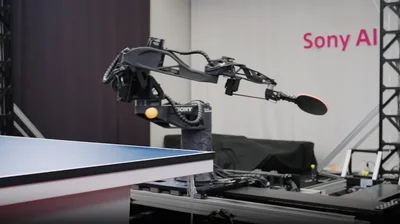
Sony's AI-powered robot Ace has stunned the sports world by defeating top-tier human table tennis players in official matches. Equipped with advanced sensors and lightning-fast reflexes, Ace combines model-free reinforcement learning with a highly agile robotic arm to outplay elite competitors. This breakthrough marks a major leap for physical AI, proving machines can now compete in real-world, fast-paced sports. Sony aims to further refine Ace, potentially challenging world champions next.
-
Warren Warns: AI Could Trigger Financial Crisis

Senator Elizabeth Warren has issued a stark warning about the financial risks posed by the AI industry's rapid growth and massive borrowing. Speaking at a Washington event, she highlighted parallels to the 2008 financial crisis, emphasizing that AI companies' heavy debts and opaque financing could spark widespread instability. Warren advocates for strong regulatory measures, including cutting financial ties between AI firms and traditional banks, to prevent a potential meltdown. Congress is urged to act decisively to avoid another crisis fueled by unchecked AI sector risks.
-
Mozilla’s AI Hunt Nets 271 Firefox Flaws

Mozilla has patched 271 security vulnerabilities in Firefox 150 discovered by Anthropic’s Mythos AI, a cutting-edge model restricted to select partners under Project Glasswing. This breakthrough shows AI can outpace human researchers by rapidly uncovering bugs that were previously costly and slow to find, signaling a shift in cybersecurity dynamics. Firefox CTO Bobby Holley claims this marks the beginning of the end for zero-day exploits, as defenders gain a decisive advantage. The challenge now is ensuring these powerful AI tools stay in the right hands to keep browsers safer.
-
Google Launches Dual TPUs for AI Agents

Google has unveiled two new specialized TPUs—TPU 8i for inference and TPU 8t for training—designed to power the next generation of autonomous AI agents. These chips optimize efficiency and speed for multi-step AI workflows, marking a strategic split in TPU design to better serve distinct AI workloads. With advanced memory and energy-efficient architecture, Google aims to scale AI inference capacity rapidly, supporting services like Gemini and YouTube. The new TPUs, expected by late 2027, signal a major leap in AI infrastructure as demand for real-time, agentic AI grows.
-
AI: A Fascist Tool in Disguise?

At recent talks, critical voices like Ali Alkhatib argue that AI is not just a neutral technology but a political artifact embedded with fascist tendencies. The technology’s design and deployment often reinforce centralized power and authoritarian control, echoing fascist structures. This perspective challenges the notion that AI can be simply reclaimed or democratized, highlighting the risks of its current trajectory. As AI continues to shape society, understanding its ideological underpinnings is crucial for future governance and resistance.
-
SAP Exec: AI Needs Context to Win

Irfan Khan, SAP's president and chief product officer, warns that AI's speed alone won't deliver business value without a strong data fabric providing essential context. He argues that without this context, AI can make fast but flawed decisions, undermining return on investment. Companies are now shifting from mere data aggregation to building interconnected data fabrics that preserve business semantics, enabling smarter, coordinated AI-driven decisions. This evolution marks a critical step for AI to truly transform enterprise operations.
-
Wall Street Law Firm Admits AI Errors

Elite Wall Street law firm Sullivan & Cromwell has revealed that a major court filing contained errors caused by AI-generated hallucinations, including inaccurate legal citations. The mistakes were uncovered by rival firm Boies Schiller Flexner during a high-profile case involving the Prince Group fraud scandal. Sullivan & Cromwell apologized and submitted corrected documents, highlighting the challenges of relying on AI in legal work. This incident raises serious questions about trust and oversight in AI-assisted legal filings.
Tech & Gadgets 10
-
Apple's Gemini-Powered Siri Debuts 2026

Apple is set to launch a new AI-powered Siri later this year, powered by Google's Gemini models, marking a major upgrade for the voice assistant. This collaboration was confirmed by Google Cloud chief Thomas Kurian, highlighting Apple's choice of Google as its preferred cloud provider. The revamped Siri aims to offer more personalized features and may open to third-party AI integrations, potentially creating new revenue streams. Apple plans to unveil this at WWDC 2026, with the update expected alongside iOS 27.
-
FairPrice Unveils Smart Carts Nationwide

FairPrice is set to deploy over 1,300 smart shopping carts across 48 outlets in Singapore by the end of 2026, following a successful trial in Punggol. These carts feature self-checkout, aisle navigation, and AI-powered personalized promotions, cutting checkout times to an average of 36 seconds. Integrated with Google Cloud’s AI tools, the initiative is part of FairPrice’s broader Store of Tomorrow program aimed at revolutionizing the shopping experience. Customers can expect faster, more efficient shopping with these digital innovations rolling out soon.
-
Meta Tracks Employee Data for AI Boost

Meta has launched an internal tool called Model Capability Initiative (MCI) to track employee keystrokes and mouse clicks across hundreds of websites including Google, LinkedIn, and Wikipedia. This data collection aims to train AI models more effectively, helping Meta catch up in the generative AI race against OpenAI and Google. Despite assurances of privacy safeguards, many employees have voiced concerns over potential exposure of sensitive information. Meta plans to continue refining this initiative as it pushes forward in AI development.
-
Google Workspace Gets Gemini AI Boost
Google has rolled out Gemini-powered AI features across Workspace apps like Docs, Sheets, and Drive, moving beyond beta to general availability. These upgrades include automated spreadsheet creation and data entry in Sheets, plus AI-assisted writing tools in Docs that can match your style and help draft content. This marks a significant step in making office work faster and smarter, especially for enterprise users on AI Pro and Ultra plans. The next step will be seeing if these powerful tools become accessible to free-tier users.
-
YouTube Premium Price Hike Sparks Backlash

YouTube Premium recently raised its subscription prices in the US, with the individual plan jumping from $13.99 to $15.99 and the family plan from $22.99 to $26.99. A survey by Android Authority reveals that nearly 40% of current subscribers are considering canceling or switching plans due to the increase. While 42% said they would accept the hike, the backlash highlights growing resistance among users. Despite this, YouTube likely anticipates stable revenue growth from the $2 bump and will monitor subscriber reactions closely.
-
Apple's Base Mac Mini Sells Out Fast

Apple's base Mac Mini with the M4 chip, 256GB storage, and 16GB RAM is now completely sold out on the Apple Online Store, marked as "Currently Unavailable." This shortage reflects soaring demand, especially from users running AI models locally, compounded by a global RAM shortage that has also impacted other Mac models. Delivery estimates for upgraded Mac Minis now stretch up to 4-5 months, signaling supply chain challenges. While an M5 Mac Mini update is expected in 2026, it may be delayed due to these memory supply issues.
-
Samsung's Refurbished Foldables Spark Pricing Debate

Samsung has launched refurbished versions of its Galaxy Z Fold 7 and Flip 7 under the Certified Re-Newed program, but the pricing has raised eyebrows. Surprisingly, some refurbished models cost more than brand-new ones currently on sale, with the base Galaxy Z Fold 7 refurbished at $1,699 versus $1,599 new. This pricing anomaly challenges the value proposition of refurbished devices, especially when new models are heavily discounted. Consumers may need to weigh storage needs carefully before choosing refurbished over new.
-
Google Transforms Chrome into AI Work Hub

At Cloud Next 2026, Google unveiled a bold vision turning Chrome from a mere browser into an AI-powered workplace platform. With features like Auto Browse for autonomous task handling, Chrome Skills for reusable AI workflows, and a persistent Gemini side panel integrated with Workspace apps, Chrome aims to become every employee’s AI colleague. The launch of Chrome Enterprise Premium adds robust security controls to ease enterprise AI adoption, tackling data leakage fears. Google's bet is that with 3.8 billion users, Chrome will dominate as the AI interface for work, challenging specialized enterprise browsers.
-
OnePlus Watch 4 Debuts with Titanium & Wear OS 6

OnePlus has quietly unveiled the Watch 4, featuring a full titanium body and running the latest Wear OS 6 with OxygenOS Watch 8. Despite the brand's uncertain global future and no official launch event, the smartwatch boasts a 16-day battery life in power saver mode and a Snapdragon W5 chip. The Watch 4 is lighter and thinner than its predecessor, with 2GB RAM and 32GB storage. However, pricing and release dates remain unknown amid ongoing company restructuring.
-
Fitbit Revamps Sleep Score for Deeper Insights

Fitbit has unveiled a redesigned Sleep Score that offers a more detailed and transparent look at your nightly rest, breaking down sleep into six key metrics like Total Sleep Duration and Restlessness. This new approach goes beyond tracking, providing actionable tips and personalized coaching through Fitbit Premium to help users improve their sleep habits. The update promises a holistic view of sleep quality, reflecting how well you truly slept, with a fresh in-app experience rolling out soon. Users should check their Fitbit app for the latest features as device support may vary.
War & Conflicts 10
-
Ukraine Claims Strongest Frontline in Year

Ukraine's Foreign Minister Andriy Sybiha declared the frontline position as the strongest in a year, crediting drone superiority and enhanced air defense for halting Russian territorial gains. This marks the first time in two and a half years that Russian forces made almost no progress in March. Kyiv is leveraging this military advantage to push for renewed face-to-face talks between Presidents Volodymyr Zelenskyy and Vladimir Putin, with Turkey offering to mediate. Meanwhile, Russian drone attacks continue to target Ukrainian infrastructure, underscoring the ongoing conflict's volatility.
-
Pakistan Pushes to Revive US-Iran Talks Amid Energy Crisis

Pakistan has intensified its diplomatic efforts to mediate between the US and Iran, with Iran's ambassador meeting Prime Minister Shehbaz Sharif amid stalled negotiations. This backchannel diplomacy comes as the region faces uncertainty and Pakistan grapples with severe energy shortages, prompting urgent LNG purchases on the spot market. The country's pivotal role as a facilitator remains crucial as it seeks to prevent further escalation and revive peace talks.
-
Iran Seizes Ships Amid Hormuz Standoff

Iran has seized two commercial vessels, the Liberia-flagged Epaminondas and Panama-flagged MSC Francesca, in the strategic Strait of Hormuz, escalating tensions in the region. This move follows a U.S. naval blockade that has turned back over 30 ships, intensifying the maritime standoff. Despite a ceasefire extension announced by President Trump, Iran insists the blockade constitutes a breach, preventing reopening of the crucial oil transit route. The situation remains volatile with no clear resolution in sight as peace talks stall.
-
Russia Repels Ukrainian Push in Zaporozhye
Russian forces successfully repelled a Ukrainian counteroffensive in the Zaporozhye region, with drone operators from the battlegroup East destroying enemy assault vehicles and transport. According to military expert Vitaly Kiselev, Russian troops have seized a major Ukrainian stronghold and logistics hub, disrupting enemy drone operations. This victory sets the stage for an upcoming Russian offensive in Zaporozhye and Dnepropetrovsk, aimed at supporting the main push in Donetsk.
-
Navy Secretary Phelan Ousted Amid Iran Conflict

John Phelan, the U.S. Secretary of the Navy, abruptly left his post effective immediately amid ongoing tensions with Defense Secretary Pete Hegseth and the naval conflict with Iran. His sudden departure follows a series of high-profile Pentagon shake-ups, including the firing of top Army generals. The Pentagon named Undersecretary Hung Cao as acting Navy Secretary. This unexpected exit raises questions about internal Pentagon politics as the U.S. Navy enforces a blockade against Iran.
-
Israeli Airstrike Kills Lebanese Journalist

An Israeli airstrike in southern Lebanon killed veteran journalist Amal Khalil and wounded photojournalist Zeinab Faraj while they were covering events near the border town of al-Tiri. Rescue efforts were hampered by further Israeli strikes, delaying the recovery of Khalil's body. The Lebanese government condemned the attack as a violation of international law, while Israel claimed the strike targeted vehicles linked to Hezbollah. This incident escalates tensions amid ongoing conflict and raises serious concerns about press safety in war zones.
-
Russia Nears Full Control of Dolgaya Balka
Russian forces have nearly expelled Ukrainian troops from Dolgaya Balka near Konstantinovka, turning the village into a contested gray zone. Military expert Andrey Marochko highlights the strategic challenge posed by nearby heights still held by Ukraine, making direct advances risky. Russia plans to carefully bypass these dangers to fully secure the area and push forward in the Donetsk region.
-
US Intercepts Iranian Tankers Near Asia

The US military has intercepted and redirected three Iranian-flagged oil tankers near India, Sri Lanka, and Malaysia amid escalating tensions following Iran's seizure of two ships in the Strait of Hormuz. This move is part of the ongoing US naval blockade aimed at restricting Iranian trade by sea, which has disrupted a significant portion of global oil supplies. The Pentagon has not commented on the interceptions, but the situation signals a potential intensification of conflict in the region. Observers now await developments in peace talks, which remain stalled amid these maritime confrontations.
-
China's Quiet Role in Iran-US Talks

China is playing a behind-the-scenes role in secret negotiations between Iran and the US, pressuring Iran's Revolutionary Guard to be more flexible. Meanwhile, President Trump has extended the ceasefire after assurances from Pakistan's military chief, aiming to keep diplomatic channels open. The main sticking point remains Iran's enriched uranium program, with economic pressures mounting due to the blockade. The US plans to tighten control over Iran's oil shipments, signaling a prolonged standoff ahead.
-
US-China Duel for Argentina's Influence

A diplomatic spat erupted in Argentina between the US and China as their envoys publicly clashed over regional sway. US Ambassador Peter Lamelas accused China of 'sneaking in' and criticized Beijing's growing influence in Latin America, prompting a sharp rebuke from China's embassy calling the remarks ideologically biased. This confrontation highlights the intensifying geopolitical competition in Latin America, with both powers vying for strategic partnerships. The dispute signals a more assertive US stance under President Milei, while China insists its cooperation is mutually beneficial and non-coercive.
Disasters & Emergencies 10
-
Train Collision in Kagerup Injures Several

Two trains collided in Kagerup, Denmark, resulting in injuries to several passengers. The incident has caused significant disruption to local rail services and emergency teams are on site assisting the wounded. Authorities are investigating the cause of the crash, and updates will follow as the situation develops.
-
Wellington Floods Devastate Homes, Businesses

Severe flooding in Wellington has left homes gutted and businesses shuttered, with damage estimates potentially reaching hundreds of millions of dollars. Residents like Tahni Daniels and Neal Jenkins face months of recovery after their Berhampore home and Daniels' salon were destroyed. The city has launched a $100,000 Mayoral Relief Fund to support affected families, while insurance claims continue to mount. Recovery efforts are ongoing as the community rallies to help those displaced and rebuild.
-
Car Blaze Blocks Wellington SH1 Lane

A vehicle caught fire on Wellington's State Highway One, blocking the northbound left lane between Aotea Quay and the road fork. Emergency services responded promptly, and thankfully, no injuries were reported. Drivers are advised to expect delays as fire and traffic crews manage the scene. Authorities continue to monitor the situation to restore normal traffic flow.
-
Body Found After Wellington Floods Identified

The body discovered following the severe floods in Wellington has been confirmed as Philip Sutton, who went missing amid the storm on Monday. Sutton's car was found damaged in Karori Stream, with his body located about seven kilometers from his home on Karori South Road. Authorities have referred the case to the coroner, while the community mourns this tragic loss. The city’s state of emergency was lifted earlier this week, but the impact of the floods remains significant.
-
18 Pet Goats Killed by Dogs in Waikato

Eighteen pet goats were found dead on a Pōkeno property in north Waikato, initially believed to have been shot. Police investigations have now confirmed the goats were likely killed by dogs, not firearms. Detective Senior Sergeant Natalie Nelson emphasized the ongoing inquiry to identify the responsible dogs. Waikato District Council Animal Management is taking over the case to prevent further attacks.
-
Industry Quakes Rattle Edmonton's North

Residents north of Edmonton, particularly in Sturgeon County, have experienced over 30 industry-induced earthquakes in just three weeks, shaking homes and rattling nerves. Experts from Natural Resources Canada and the Alberta Energy Regulator link these seismic events to Shell Canada's Scotford Upgrader and CO2 injection operations. With magnitudes reaching over 4, the quakes are a growing concern, prompting Shell to implement mitigation protocols. Authorities warn further tremors may occur but expect activity to decline soon.
-
Deadly Chemical Leak Hits West Virginia Plant

A chemical leak at the Catalyst Refiners plant in Institute, West Virginia, has killed two people and hospitalized around 30 others, including seven first responders. The incident involved a violent chemical reaction producing toxic hydrogen sulfide during a shutdown procedure. Authorities issued a shelter-in-place order which was later lifted, and investigations by OSHA and local officials are underway. The plant owner, Ames Goldsmith Corp., expressed condolences and pledged full cooperation with the inquiry.
-
Georgia Wildfires Devastate Homes, Force Evacuations

Fast-moving wildfires in southern Georgia have destroyed about 50 homes and forced hundreds to evacuate, prompting a state of emergency declared by Gov. Brian Kemp. The Brantley County fire alone has burned roughly 5,000 acres and remains only 10% contained amid shifting winds and drought conditions. Officials warn residents to stay alert as fire behavior remains unpredictable, with burn bans now in effect across 91 counties. Emergency crews continue battling multiple blazes, with FEMA resources mobilizing to assist recovery efforts.
-
Rotorua Road Washout Survivor Thanks Rescuers

A dramatic washout on Ngapouri Rd near Rotorua left a woman trapped in her car, which plunged 80 meters into swollen waters. She managed to escape by praying and singing hymns, and was hospitalized but has since been discharged. The incident disrupted access for 16 residents and local farmers, with repairs underway by Rotorua Lakes Council, who warn it will be a "big job" involving geotechnical work. The community remains grateful and hopeful as recovery efforts continue.
-
Ice Chunks Crash Into Michigan Homes

Severe flooding in Michigan has caused rivers and creeks to overflow, sending large chunks of ice crashing into residential homes. This unusual event has left many families dealing with property damage and safety concerns. Meteorologists, including Chief Meteorologist Ginger Zee, warn that more flooding could be on the way as spring thaw continues. Residents are urged to stay alert and prepare for potential further impacts.
Science 10
-
Roman Mummy Holds Hidden Iliad Scroll

Archaeologists in Egypt have uncovered a Roman-era mummy containing a papyrus scroll of Homer's "Iliad" inside its abdomen, marking the first known instance of a Greek literary text embedded in mummification. Found at Oxyrhynchus, the papyrus includes part of Book 2, listing ships from the Trojan War, and was likely placed during embalming to protect the deceased in the afterlife. This exceptional discovery sheds new light on funerary practices under Roman Egypt and opens fresh avenues for research into cultural intersections of the era.
-
New Giant Sauropod Found in Patagonia

Scientists from Argentina's CONICET have uncovered a new dinosaur species named Bicharracosaurus dionidei in southern Chubut Province. Dating back over 150 million years to the Late Jurassic, this sauropod's unique vertebrae reveal key evolutionary traits bridging primitive and advanced giants. The discovery sheds light on sauropod diversification in the southern hemisphere and underscores Patagonia's global fossil significance. Researchers aim to deepen understanding of Jurassic ecosystems with further study of this remarkable find.
-
Language Genes Older Than Thought

New research led by Jacob Michaelson reveals that key genetic regions linked to language ability, called HAQERs, evolved before modern humans split from Neanderthals. These ancient genome segments, though small, significantly influence individual language skills, challenging the idea of a single 'language gene.' The findings suggest Neanderthals may have had the biological capacity for language, opening new avenues for understanding human evolution. Further studies will explore how these genetic 'dials' shaped speech development across species.
-
Gene Therapy Restores Hearing in 90%

In the largest gene therapy trial for inherited deafness, 90% of patients born with a rare genetic condition regained significant hearing, some even reaching near-normal levels. Led by Zheng-Yi Chen at Mass Eye and Ear, the treatment uses a virus to deliver a healthy OTOF gene into the inner ear, restoring sound transmission. This breakthrough offers a potential lifelong cure, especially effective in children, and could revolutionize treatment for genetic hearing loss. Researchers plan further trials to confirm long-term safety and expand to other deafness types.
-
Supercomputer Cracks Muon Magnetism Puzzle

Physicists at the University of Wuppertal have used supercomputer simulations to precisely calculate the muon's magnetic moment, resolving a decade-long mystery. Their hybrid approach combined quantum chromodynamics theory with experimental data, achieving accuracy to 11 decimal places. This result aligns with the Standard Model, limiting the scope for new physics like a fifth force. While it doesn't entirely rule out unknown forces, it marks a major leap in understanding fundamental particle behavior.
-
Solar System’s First Solids Formed Fast

New research led by Sébastien Charnoz overturns the long-held belief that the solar system’s earliest solids formed slowly over millions of years. Instead, simulations suggest these primordial minerals condensed rapidly in a turbulent protoplanetary disk within the first 10,000 to 100,000 years, creating the diverse meteorite types we see today. This fast formation challenges previous models and hints that inner planets like Earth may have formed with built-in water reserves. The findings open fresh avenues for understanding planetary origins and will inspire further investigations.
-
New 'QR Code' Cracks Knot Mysteries

Mathematicians Dror Bar-Natan and Roland van der Veen have developed a groundbreaking knot invariant that combines strength and computational ease, enabling analysis of knots with up to 300 crossings and beyond. This new tool produces intricate, colorful hexagonal patterns—akin to QR codes—that reveal deeper topological features of knots. Previously, strong invariants were too complex to compute, limiting knot theory's reach. This advance promises to unlock new insights into complex knot structures and expand the frontiers of topology research.
-
Plants Hear Rain, Speed Up Growth

A groundbreaking study by MIT's Nicholas Makris reveals that rice seeds can 'hear' the sound of raindrops and germinate up to 40% faster in response. This discovery marks the first direct evidence that plants sense environmental sounds and react proactively, potentially giving them a survival edge. Researchers now aim to explore if other plants and environmental cues like wind trigger similar responses.
-
Ancient DNA Uncovers Paris Population Shift

New genetic research near Paris reveals a dramatic population replacement around the Neolithic decline. Frederik Valeur Seersholm and his team found that the original Stone Age farming communities were replaced by migrants from southern France and Iberia. The study links this shift to disease outbreaks, including plague, and environmental stresses, reshaping local social structures. This discovery sheds light on broader European demographic changes and the sudden halt of megalithic monument building.
-
JWST Spots Water Ice Clouds on Distant Giant

Astronomers led by Elisabeth Matthews at the Max Planck Institute have discovered water ice clouds on the gas giant exoplanet Epsilon Indi Ab, a first for such a distant world. Using the James Webb Space Telescope's MIRI instrument, they directly imaged this Jupiter-like planet and found unexpected atmospheric complexity that challenges current models. This breakthrough opens new paths for studying cold exoplanets and sets the stage for future searches for Earth-like worlds. Next up, the team aims to secure more JWST time and prepare for observations with NASA's upcoming Roman Space Telescope.
Space & Exploration 10
-
Astronaut Snaps Alma Mater from Space

Astronaut John Smith captured a stunning photo of his university from orbit, showcasing a unique perspective rarely seen. This personal connection highlights the human side of space exploration, bridging Earth and cosmos. The image has sparked interest among students and alumni, inspiring a new appreciation for their campus. NASA plans to share more such personal views from space in upcoming missions.
-
Spot the Moon by Daylight This Week

This week, the moon is visible in the daytime sky, shining near Jupiter from April 22 until the full moon on May 1. The waxing crescent phase makes it easy to spot in the afternoon, especially around midday when it rises near the eastern horizon. Observers can safely use binoculars or telescopes to see lunar details, but must avoid pointing devices at the sun. Don’t miss this chance to catch the moon’s journey through the daylight hours before it sets around midnight.
-
iPhone Captures Stunning Earthshine from Orion

NASA has released a remarkable iPhone video showing Earthshine illuminating the Orion capsule during the Artemis II mission. The footage, taken on the mission's second day, reveals astronaut Christina Koch's face lit solely by Earth's reflected sunlight. This intimate glimpse highlights the innovative use of consumer tech in space exploration. Next, Artemis II continues its journey around the Moon, promising more unique perspectives.
-
Uranus’ Rings Suggest Hidden Moon

New research combining data from Keck, Hubble, and the James Webb Space Telescope reveals that Uranus’ two outermost rings, the blue µ ring and the reddish ν ring, have distinct compositions hinting at different origins. The icy µ ring likely forms from particles blasted off the small moon Mab, while the dustier ν ring may come from collisions among unseen rocky bodies, suggesting a hidden moon lurks nearby. These findings deepen our understanding of Uranus’ complex system and highlight the need for a future mission to explore the planet’s mysterious rings and moons up close.
-
NASA's Roman Telescope Set for September Launch

NASA is targeting early September 2026 for the launch of the Nancy Grace Roman Space Telescope aboard a SpaceX Falcon Heavy rocket. This next-generation observatory boasts a field of view 100 times larger than Hubble's, aiming to map billions of galaxies and discover tens of thousands of exoplanets. Roman will also probe fundamental cosmic mysteries like dark energy and dark matter from a vantage point nearly 1 million miles from Earth. The mission promises a revolutionary new atlas of the universe, with data expected to transform astrophysics over its five-year primary mission.
-
Artemis II Beams Moon Images via Laser

NASA's Artemis II mission successfully used new laser communication technology to send high-definition images from lunar orbit back to Earth. A low-cost terminal in Australia, built by Observable Space and Quantum Opus, received data at 260 Mbps, proving affordable, high-throughput space-to-Earth links are viable. This breakthrough could pave the way for a global network of laser ground stations, revolutionizing how we receive data from space. Next steps involve scaling this technology and establishing partnerships to expand its reach.
-
Rocket Lab Launches Origami Satellite

Rocket Lab successfully launched eight Japanese satellites, including a unique origami-folded deployable antenna, aboard its Electron rocket from New Zealand. The mission, named "Kakuchin Rising," supports JAXA's Innovative Satellite Technology Demonstration Program, showcasing cutting-edge smallsat technologies. This marks Electron's 79th launch, continuing its role as a premier small satellite launcher. Rocket Lab plans to maintain momentum with future missions, expanding small satellite capabilities in orbit.
-
Curiosity Spots Mysterious 'Dragon Scales' on Mars

NASA's Curiosity rover has uncovered an extensive field of polygonal rock formations on Mars that resemble giant reptile scales, stretching for meters near the Antofagasta crater on Mount Sharp. These 'dragon scales' intrigue scientists because they may hold clues about ancient water activity on the Red Planet. While the exact formation process remains uncertain, Curiosity's ongoing analysis of images and chemical data aims to unravel their origin. This discovery adds to the growing catalog of unusual Martian surface features that challenge our understanding of the planet's geological history.
-
Navy Divers Greet Artemis 2 Crew First

Four U.S. Navy divers made history as the first to enter NASA's Orion spacecraft at sea, welcoming the Artemis 2 astronauts after their lunar mission. Operating from the USS John P. Murtha, the dive medical team conducted initial health checks and helped the crew exit safely following their 10-day journey around the moon. This marks a new era in space recovery operations, highlighting the critical role of specially trained medical divers. As NASA prepares for future lunar landings, these divers set a precedent for astronaut recovery at sea.
-
Blue Origin's New Glenn Grounded After Launch Failure

Blue Origin's New Glenn rocket has been temporarily grounded following a launch mishap on April 19 that resulted in the loss of the BlueBird 7 satellite. The FAA is overseeing an investigation into the failure of one of the upper stage's BE-3U engines, which caused the satellite to be deployed into an unusable orbit. This setback is significant as New Glenn is slated to launch NASA's Blue Moon lunar lander later this year. Blue Origin CEO Dave Limp assures the team will learn from the incident and return to flight soon.
Health & Medicine 10
-
Rectal Cancer Deaths Surge in Millennials

Deaths from rectal cancer among millennials are rising at an alarming rate, outpacing colon cancer increases by two to three times, according to a new study led by Mythili Menon Pathiyil at SUNY Upstate Medical University. This trend threatens to make rectal cancer the leading cause of colorectal cancer deaths in people under 50 by 2035. Experts warn this is a medical crisis with unknown causes, urging earlier diagnosis and research to reverse the deadly rise.
-
Fatty Acid Reverses Age-Related Vision Loss

Researchers at UC Irvine have discovered that injecting a specific polyunsaturated fatty acid can reverse age-related vision decline in mice, offering hope for treating conditions like macular degeneration. The study, led by Dr. Dorota Skowronska-Krawczyk, highlights the role of the ELOVL2 gene in eye aging and shows this fatty acid works better than DHA alone. This breakthrough could pave the way for new therapies targeting vision loss and possibly immune system aging.
-
Ex-Tobacco Exec Joins CDC Sparks Outcry

Stephen Sayle, a former tobacco industry executive, has been appointed as deputy director for legislative affairs at the CDC, igniting fierce criticism from public health advocates. This unprecedented move raises alarms about potential industry influence within a key public health agency, contradicting prior promises to curb such ties. Critics warn this could undermine tobacco control efforts amid ongoing debates over vaping and nicotine products. The controversy is expected to fuel calls for stricter ethical oversight and transparency at the CDC.
-
Anaemia Tops Maternal Death Causes

A groundbreaking global study reveals that anaemia, not postpartum bleeding, may be the leading cause of maternal deaths, especially in sub-Saharan Africa and South Asia. The WOMAN-2 trial, involving over 15,000 women, shows anaemia significantly raises the risk of severe bleeding and death during childbirth. This challenges existing WHO policies focused mainly on bleeding and calls for urgent revision to include anaemia screening and treatment. Experts urge wider access to haemoglobin testing and tranexamic acid to save lives.
-
UK Nears Law Banning Smoking for Gen 2008+

The UK is on the brink of enacting a groundbreaking law banning tobacco sales to anyone born on or after January 1, 2009, effectively creating a smoke-free generation. This Tobacco and Vapes Bill, approved by lawmakers on April 20, also tightens vape restrictions and public smoking bans. With smoking causing tens of thousands of deaths annually in the UK, this move aims to break the cycle of addiction and improve public health. The legislation awaits royal assent and will gradually raise the legal smoking age year by year.
-
Gene Therapy Restores Hearing in 90%
In a groundbreaking trial, 90% of patients with inherited deafness regained significant hearing after receiving an experimental gene therapy targeting the OTOF gene. The study, involving 42 participants across China, showed lasting improvements, with some patients achieving normal hearing levels. This therapy offers a promising alternative to cochlear implants, potentially restoring natural hearing with a single treatment. Researchers are now planning longer trials and exploring multiple doses to enhance outcomes further.
-
Exercise Risks for Long Covid Patients

New research raises alarms about exercise as a treatment for long covid, a condition affecting millions globally. A prominent study led by Colin Berry suggested resistance training could improve physical symptoms, but experts warn the benefits may not apply to all and could worsen post-exertional malaise, a severe symptom experienced by many. Critics highlight that the study's clinical significance is questionable and that exercise might even cause harm, echoing controversies seen in chronic fatigue syndrome treatments. The debate continues as scientists call for more nuanced trials to protect vulnerable patients.
-
Insurance Cuts Slam Obesity Drug Access

Millions of Americans like Meghan Lena are losing insurance coverage for key obesity drugs such as Zepbound and Wegovy, forcing them to switch medications or pay out of pocket. Research by GoodRx reveals that from 2025 to 2026, 12 million lost coverage for each drug, with 88% of those still covered facing strict restrictions like prior authorizations or high BMI requirements. These insurance barriers are driving patients to expensive compounded alternatives or abandoning treatment altogether. Experts warn that insurance policies are arbitrarily limiting access, while drug prices remain a major hurdle. The fight continues as patients and advocates seek more affordable, consistent coverage.
-
Blood Test Predicts Alzheimer’s Risk Early

A groundbreaking study from NYU Langone Health reveals that a simple blood test measuring the neutrophil to lymphocyte ratio (NLR) can predict Alzheimer’s risk years before symptoms appear. Analyzing data from nearly 400,000 patients, researchers found elevated NLR linked to higher dementia risk, especially among Hispanic patients and women. This discovery could transform early diagnosis and intervention strategies, with ongoing research exploring whether neutrophils actively drive disease progression.
-
Rotavirus Vaccine Cuts Hospital Stays Despite Surge

Rotavirus cases in children are rising earlier and more widely this year, with nearly 8% of tests now positive, according to the CDC. Despite this surge, the rotavirus vaccine has slashed hospitalizations by 80% over the past two decades, proving its powerful protection. However, vaccination rates have declined since 2018, raising concerns about future outbreaks. Public health officials urge families to vaccinate infants promptly to maintain this critical defense against severe illness.
Cybersecurity & Privacy 11
-
Crypto's 2026 Hack Threats Unveiled

CertiK warns that 2026 will see major crypto hacks driven by phishing, deepfakes, supply chain attacks, and cross-chain vulnerabilities. Already, over $600 million has been lost this year, including massive North Korea-linked exploits like the $293 million Kelp DAO hack. AI's rise is a double-edged sword, enhancing both attack sophistication and defense capabilities. Investors are urged to verify URLs carefully and consider cold wallets to protect assets as regulators ramp up cybersecurity efforts.
-
Npm Worm Steals Dev Tokens Fast

A new self-propagating worm attack has hit multiple npm packages linked to Namastex Labs, stealing developer tokens and credentials during install. The malware spreads by injecting itself into packages the victim can publish, rapidly expanding its reach across the ecosystem. Security firms Socket and StepSecurity warn this attack targets sensitive developer workflows and also affects Python packages, raising the stakes for open-source supply chain security. Developers must urgently remove affected package versions and rotate all exposed secrets to prevent further compromise.
-
France's ID Agency Hit by Massive Breach

France's national ID and passport agency, ANTS, confirmed a data breach detected on April 15, potentially exposing personal details of up to 19 million citizens. The compromised data includes names, birth dates, emails, and addresses, raising concerns over phishing and identity fraud. While the breach hasn't led to widespread leaks yet, the hacker is attempting to sell the stolen records. Authorities are investigating and notifying affected individuals to stay vigilant against suspicious communications.
-
Apple Fixes iOS Flaw Exposing Deleted Signal Messages

Apple has released iOS 26.4.2 to patch a critical security flaw that allowed the FBI to recover deleted Signal message previews from iPhones. The vulnerability involved a notification database that retained deleted notifications, enabling law enforcement access even after app deletion. With this update, Apple improves data redaction and ensures deleted notifications are properly purged. Users on iOS 26, iPadOS 26, iOS 18, and iPadOS 18 are urged to update immediately to protect their privacy.
-
Mirai Malware Targets Obsolete D-Link Routers
A fresh Mirai malware campaign is exploiting a critical remote command execution flaw, CVE-2025-29635, in end-of-life D-Link DIR-823X routers to conscript them into a botnet. Discovered by Akamai's SIRT in March 2026, this vulnerability allows attackers to run arbitrary commands remotely via a POST request. Since D-Link ceased support in November 2024, no patch is expected, leaving users vulnerable. Experts urge upgrading to supported devices and tightening router security to prevent further infections.
-
Microsoft Emergency Patch Fixes Critical ASP.NET Bug

Microsoft has urgently patched a critical vulnerability in ASP.NET Core, tracked as CVE-2026-40372, that allows attackers to escalate privileges on Linux and macOS systems. The flaw, found in versions 10.0.0 to 10.0.6 of Microsoft.AspNetCore.DataProtection, enables forging authentication payloads to gain SYSTEM-level access. Even after updating to version 10.0.7, compromised tokens remain valid unless the DataProtection key ring is rotated. Developers are urged to update immediately to prevent potential full system compromise.
-
Firefox Bug Links Tor Identities
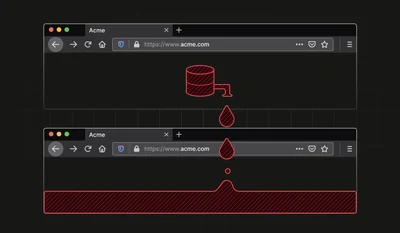
A critical privacy flaw in Firefox-based browsers, including Tor Browser, allows websites to track users across private sessions by exploiting a stable process-lifetime identifier derived from IndexedDB database ordering. This vulnerability breaks the core privacy promise of Tor's "New Identity" feature, enabling cross-site tracking without cookies or explicit storage. Mozilla has patched the issue in Firefox 150 and ESR 140.10.0, but users should restart their browsers to reset identifiers. The fix involves sorting database metadata to eliminate this fingerprinting vector.
-
GitHub Enables CLI Telemetry by Default

GitHub has quietly started collecting pseudonymous telemetry data from all users of its command-line interface (CLI) by default, without explicit user consent. This move aims to help the company understand feature usage and improve the CLI, including AI-related functions. However, the lack of clear communication and automatic opt-in has raised privacy concerns among developers. Users can opt out via environment variables or CLI settings, but GitHub provided no upfront announcement or detailed data disclosure.
-
Malicious Code Hits Checkmarx Supply Chain
Security researchers have uncovered malicious Docker images and VS Code extensions targeting Checkmarx's supply chain, specifically the official checkmarx/kics Docker Hub repository. Attackers replaced legitimate tags with compromised versions, enabling data exfiltration from infrastructure-as-code scans. This breach threatens sensitive credentials in Terraform and Kubernetes configurations. Organizations using these tools must assume potential exposure and await further updates as the investigation unfolds.
-
Linux GoGra Backdoor Exploits Microsoft API

The cyber espionage group Harvester has unleashed a new Linux variant of its notorious GoGra backdoor, leveraging the Microsoft Graph API to stealthily control infected machines. This malware targets South Asian organizations by disguising ELF binaries as PDFs and using Outlook mailboxes as covert command channels, making detection difficult. The discovery signals an expansion of Harvester's toolkit beyond Windows, raising concerns about broader attacks. Security experts warn that this sophisticated use of legitimate cloud infrastructure could complicate future defenses.
-
Cohere AI Sandbox Flaw Lets Hackers Run Root Code

A critical vulnerability in Cohere AI's Terrarium sandbox, tracked as CVE-2026-5752 and rated 9.3 CVSS, allows attackers to execute arbitrary code with root privileges. The flaw exploits a JavaScript prototype chain traversal in the Pyodide environment, enabling sandbox escape and potential container breakout. Since the project is no longer maintained, no patch is expected, prompting urgent calls for network segmentation and strict access controls. Security experts warn users to disable code submission features and monitor container activity closely.
Gaming & Esports 10
-
Switch 2 Dominates US Sales Fueled by Pokopia

Nintendo's Switch 2 led U.S. console sales in March, powered by the surprise hit Pokemon Pokopia. With Americans spending $500 million on gaming hardware—a 69% jump year-over-year—the Switch 2 topped both units sold and revenue. This surge cements Nintendo's strong foothold against Sony's PlayStation 5 in the critical American market. Looking ahead, Nintendo's momentum is expected to continue with new game releases and strong brand presence.
-
D&D’s New Show Revives Dark Dice Horror

Dungeons & Dragons has launched Dungeon Masters, a new official actual play show that integrates a chilling horror mechanic inspired by the acclaimed podcast Dark Dice. Led by Dungeon Master Jasmine Bhullar and featuring stars like Neil Newbon, the show plunges players into the eerie Domain of Sithicus, where long rests come at a terrifying cost. This innovative rule, involving constitution saving throws that can cause exhaustion, heightens tension and resource management in gameplay. Fans eagerly await the next episodes to see how the party confronts the darklord Lord Soth and the creeping dread of Ravenloft.
-
Invincible Season 5: New Battles Await

Season 4 of Invincible ended with major cliffhangers, setting the stage for an intense Season 5 on Prime Video. Amazon confirmed the renewal in July 2025, with Matthew Rhys joining the cast as Dinosaurus. Expect more brutal fights, moral conflicts, and the ongoing Viltrumite threat, as Mark Grayson faces new challenges and alliances. Fans can anticipate the new season's release in early 2027, continuing the faithful adaptation of Robert Kirkman's comics.
-
Windrose: Pirate Survival Crafting Shines Early

Windrose launches into Early Access as a thrilling pirate-themed survival crafting game, blending deep combat mechanics with open-world exploration. Players navigate treacherous seas, build their own gear, and battle foes in a richly detailed environment. This fresh take on survival crafting promises ongoing updates to expand its immersive pirate adventure.
-
Ecco the Dolphin Returns with Complete Collection

Ecco the Dolphin: Complete has been announced, blending remasters of the original 8-bit and 16-bit games with a brand-new sequel developed by the original team including creator Ed Annunziata. This collection offers all versions of the classic titles plus new features like speedrunning support, achievements, and customizable courses that players can share. While no release date or platforms have been confirmed, anticipation builds as the official website's countdown hints at a full reveal soon. Fans of the iconic dolphin can expect a definitive experience crafted with love and nostalgia.
-
WoW Patch 12.0.5: Bugged and Broken Prop Hunt

The latest World of Warcraft patch 12.0.5 launched with new content including a Prop Hunt-style mode called Decor Duels, but players are furious as the update is riddled with bugs. Key issues include a broken bonus roll system, housing being temporarily disabled, and a critical exploit in Decor Duels where players can use x-ray vision abilities to cheat. The mode also forces hiders to constantly move, ruining the stealth gameplay. Blizzard has yet to respond, but a quick fix patch is expected soon.
-
Elden Ring Movie Leaks Reveal Key Details

Leaked photos and videos from the Elden Ring movie set in London confirm that Alex Garland's adaptation will feature iconic locations like Leyndell and Stormveil Castle, as well as fan-favorite characters including the infamous Dung Eater. The film, set before the game's events, promises to explore the story behind the Shattering and the power struggles in the Lands Between. With a star-studded cast announced and a release date set for March 3, 2028, fans eagerly await more official details and footage.
-
Poncle Expands with 15 New Games

Poncle, the developer behind the hit Vampire Survivors, is ramping up its game development with over 15 new projects underway and new studios opening in Japan and Italy. This expansion marks a strategic move to tap into local talent and collaborate on fresh IPs, including two entirely new properties and several franchise spin-offs like Warhammer Survivors. After pausing third-party publishing to focus on community building, Poncle aims to maintain its indie spirit with small, agile teams while growing its global footprint.
-
Molyneux’s Masters of Albion Shines Despite Flaws

Masters of Albion, Peter Molyneux’s latest from 22cans, blends god sim, business sim, and third-person adventure into a quirky, tactile experience. Though early access reveals rough edges like unstable performance, clunky UI, and uneven combat AI, the game’s charm and inventive mechanics stand out. Players juggle crafting, city-building, and defending against undead hordes, with a unique giant godhand interaction tying it all together. If the developers smooth out the kinks, this could become a standout new classic in Molyneux’s legacy.
-
Bafta Games Awards Celebrate Artistry

The 22nd Bafta Games Awards crowned Clair Obscur: Expedition 33 as the top game, marking it as only the second title to win all five major gaming awards globally. The ceremony highlighted artistic innovation over commercial success, with Blue Prince winning best game design and Dispatch and Kingdom Come: Deliverance II also taking home honors. This focus on creativity and meaningful storytelling signals a shift in how the industry values games, emphasizing their cultural and emotional impact. Next, gamers and developers alike will watch how this artistic recognition influences future game development and awards.
Dev & Open Source 10
-
Next.js Edge Middleware Ends UI Flicker

Next.js Edge Middleware now enables seamless handling of dynamic subdomains, eliminating frustrating UI flickers in B2B SaaS platforms. By intercepting requests at the edge before React renders, it transparently rewrites URLs to serve tenant-specific content instantly. This approach not only boosts performance and SEO but also simplifies code by offloading routing logic from the frontend. Developers adopting this method can expect cleaner apps and faster user experiences starting from the very first byte.
-
Python Powers MCP Servers in 2026

The Model Context Protocol (MCP) has surged to become the industry standard for AI agent integration, boasting 97 million monthly downloads as of March 2026. Python backend engineers are urged to adopt FastMCP, a framework that simplifies building production-grade MCP servers with minimal code. With the shift to Streamable HTTP transport and OAuth 2.1 authentication, MCP servers now scale efficiently and securely in production environments like AWS Lambda and ECS Fargate. As MCP unlocks new internal AI assistant capabilities, developers are advised to focus on curated, purpose-driven tools rather than exposing entire APIs.
-
Tech Startups Fail Without Connection

Technical founders often face a harsh reality: despite building scalable, elegant products, they fail to attract customers because they build in isolation. The key issue is not the product but poor communication and a lack of content strategy. Perfectionism and speaking only to peers leave potential users confused or uninterested. To succeed, founders must shift from coding to storytelling, engaging audiences with clear, empathetic content and consistent marketing. The next step is embracing content as a strategic asset, not an afterthought.
-
OpenAI Unveils gpt-image-2 API Guide

OpenAI has released the official developer guide for the new gpt-image-2 API, launching in early May 2026. The guide details pricing, including per-token and per-image costs, and explains the two modes: Instant for quick, simple images and Thinking for complex, multi-image projects with web grounding. Developers can start prototyping now using third-party pre-release endpoints from fal.ai and apiyi. This release sets the stage for smoother integration and cost planning ahead of the API's full availability.
-
Mastering Game Dev with Node.js

Developers eager to build multiplayer games are turning to Node.js for its real-time networking strengths rather than graphics capabilities. Unlike traditional game engines, Node excels in backend tasks like matchmaking, state synchronization, and chat systems, making it ideal for multiplayer server logic. Experts emphasize mastering Node's asynchronous architecture and networking basics before diving into game-specific frameworks. The best learning path combines foundational Node courses, WebSocket tutorials, and hands-on projects to build scalable multiplayer systems.
-
From Low to Critical: The Hidden Attack Chain

A recent deep dive into DVWA vulnerabilities revealed how a seemingly minor 'LOW' risk API key finding triggered a full 5-step attack chain culminating in a CRITICAL security breach. Traditional flat scanners miss these complex chains by treating issues in isolation, but Auditor Core's ChainAnalyzer and AI validation exposed the full exploit path, escalating all linked findings to CRITICAL. This breakthrough highlights the urgent need for chain-aware security tools, as attackers increasingly exploit multi-step vulnerabilities unnoticed by standard scans. Moving forward, security teams must adopt holistic analysis to prevent hidden critical risks.
-
Mastering WASM Debugging in Chrome DevTools
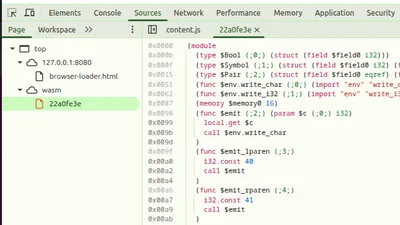
Eli Bendersky reveals how Chrome DevTools offers powerful debugging tools for WebAssembly (WASM), especially when dealing with complex gc types and exceptions. By using breakpoints and exception pausing, developers can pinpoint issues like ref.cast errors directly in the WASM code, bypassing the limitations of printf debugging. This insight is crucial as WASM grows in complexity, and next steps involve deeper integration of these debugging features for smoother developer workflows.
-
Kubernetes 1.36 Debuts Bold Changes, Ends Ingress NGINX

Kubernetes has launched its 1.36 release, dubbed “Haru,” setting a new artistic and documentation standard with a logo inspired by Hokusai’s iconic art. This update marks a significant milestone by retiring the flawed Ingress NGINX component, signaling a shift toward more robust infrastructure management. The release also introduces mature Dynamic Resource Allocation and enhanced storage volume scaling, promising better cluster control. As the community embraces this fresh start, eyes turn to how these changes will shape Kubernetes' future.
-
Qwen3.6-27B Sets New Coding Bar

Qwen3.6-27B emerges as a powerhouse in AI coding, outperforming its predecessor Qwen3.5-397B-A17B across all major benchmarks despite being drastically smaller at 55.6GB versus 807GB. This dense 27 billion parameter model delivers flagship-level agentic coding performance, making it a game-changer for open-source AI developers. Its efficient size and speed, demonstrated by a 16.8GB quantized version running locally with impressive token generation rates, promise broader accessibility and faster deployment. The AI community eagerly awaits further innovations building on this breakthrough.
-
Rust Workers Get Resilient on Cloudflare

Cloudflare has revamped its Rust Workers on the Workers platform to handle panics and aborts gracefully, eliminating the risk of instance poisoning that previously caused cascading failures. By integrating
panic=unwindsupport and advanced abort recovery into wasm-bindgen, Rust Workers now catch panics as exceptions and recover from aborts without losing state or crashing sibling requests. This breakthrough ensures more reliable serverless Rust code, especially for stateful workloads like Durable Objects, and sets a new standard for WebAssembly error handling.