-
Trump Eyes Troop Moves Amid Ally Friction
 research →
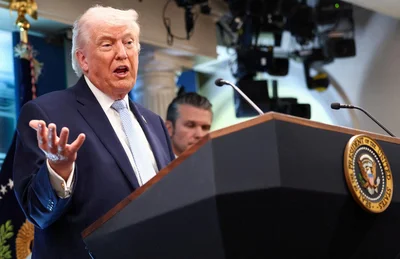
President Donald Trump is ramping up pressure on U.S. allies by pushing for greater strategic flexibility with U.S. Forces Korea, signaling potential troop redeployments amid frustrations with partners like South Korea and Japan. This move comes as Trump criticizes allies for insufficient support during the U.S.-Israel conflict with Iran, threatening to pull troops from 'unhelpful' NATO countries. The shift could reshape U.S. military posture in Asia and beyond, raising questions about alliance stability and regional security. Observers now watch closely for where these forces might be repositioned next.
-
Trump Threatens Massive Iran War Escalation
 research →
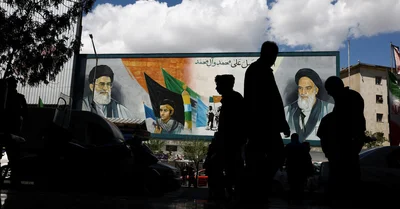
In a fiery social media post, President Donald Trump warned of a major war escalation if Iran fails to comply with peace efforts, vowing to keep U.S. military forces in the Middle East ready for action. This comes after a fragile two-week ceasefire and ongoing tense negotiations over the Strait of Hormuz and Iran's nuclear ambitions. With oil prices rising amid fears of supply disruption, the world watches closely as Trump signals he’s prepared for a ‘bigger and stronger’ conflict if diplomacy collapses.
-
Australia Broadens Global Ties Amid US Uncertainty
 research →
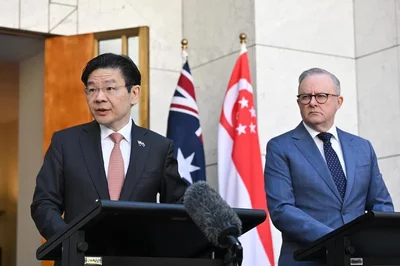
Australia is recalibrating its foreign policy, with Foreign Minister Penny Wong confirming a push to diversify partnerships beyond the traditional reliance on the US. While Washington remains a key ally, Canberra is actively deepening ties with Southeast Asia, the Pacific, Japan, the EU, and Canada to navigate a more unpredictable world stage. This strategic pivot reflects concerns over the US’s shifting global role and aims to secure Australia’s influence and stability. Next up, expect Canberra to further cement these new alliances and expand its diplomatic footprint.
-
Ceasefire Frays as Israel Strikes Lebanon
 research →
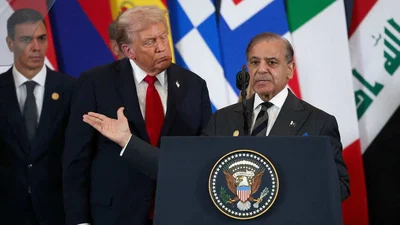
The fragile US-Iran ceasefire announced on April 8, 2026, is already unraveling amid fierce confusion over Lebanon's status. Pakistan, hailed for brokering the deal, insisted the truce covered 'everywhere,' including Lebanon, but Israel launched its largest strike there hours later, killing hundreds. The US and Israel deny Lebanon was ever part of the ceasefire, while Iran insists otherwise, deepening mistrust. This clash threatens to derail peace efforts just as talks to end the broader conflict begin.
-
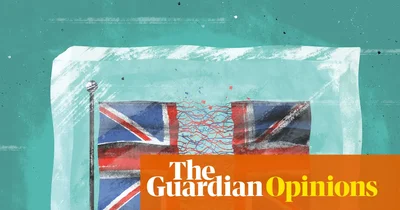
UK Still Torn a Decade After Brexit
 research →
A full ten years after the Brexit vote, the UK remains deeply divided, with 60% of Britons still identifying as either 'remoaners' or 'Brexiters' rather than traditional party lines. What began as a political decision has morphed into a cultural chasm, reshaping identities and fueling ongoing social and political tensions. This entrenched divide continues to influence elections and public discourse, showing no signs of fading anytime soon.
-
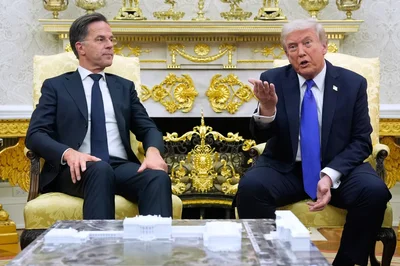
NATO Allies Boost Defense Spending 20%
 research →
In 2025, NATO’s European members and Canada ramped up defense budgets by nearly 20%, adding a staggering $574 billion to collective military spending. This surge, driven by mounting fears of Russian aggression and pressure from former U.S. President Donald Trump, marks a historic shift as countries like Poland and the Baltics outpace the U.S. in defense spending relative to GDP. The move signals a new era of European military assertiveness, with eyes now on how NATO will balance unity amid internal tensions and external threats.
-
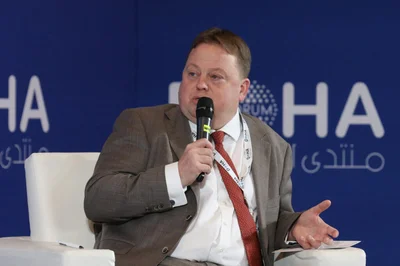
Euroskeptic Think Tanks Surge Amid EU Cuts
 research →
Euroskeptic think tanks have surged by 50% as Brussels slashes funding for pro-EU groups, signaling a growing challenge to the European Union’s influence. The European Commission attributes this rise to the “broader geopolitical context and increased volatility in international affairs.” This shift could reshape EU policy debates just as Europe faces mounting external pressures. Watch for how Brussels might respond to this ideological pushback in the coming months.
-
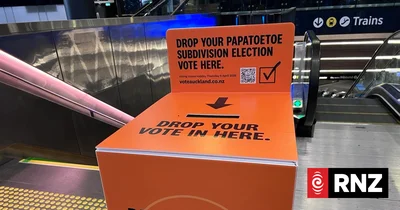
Papatoetoe Votes Again After Court Tosses 2025 Result
 research →
Voting has just wrapped up in Papatoetoe’s high-stakes local election redo after a District Court threw out last year’s results over ballot irregularities. This rerun is a rare do-over sparked by a legal challenge from former deputy chair Lehopoaome Vi Hausia, who flagged serious issues like misuse of ballots and turnout anomalies. Papatoetoe’s election is a bellwether, having bucked Auckland’s turnout slump with a 7% rise in 2025. Final results will be nailed down Friday once special votes are tallied, setting the stage for fresh leadership in this pivotal community.
-
Alsace Breaks Free: French Assembly Backs Autonomy
 research →
In a dramatic vote, France's National Assembly approved a bill to strip Alsace from the Grand Est region, granting it a unique autonomous status. The bill passed with 131 votes for and 100 against, notably with support from Marine Le Pen's Rassemblement National, signaling a political shift. This move responds to long-standing regional demands and could reshape France's territorial governance. Next up: the Senate's verdict on this landmark legislation.
-
US-Israeli Strikes Shatter Iran, Shake Global Peace
 research →
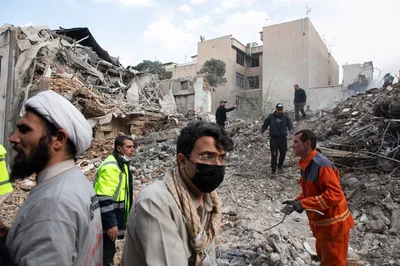
The recent US-Israeli military strikes on Iran have not only devastated Iran’s economy and infrastructure but also unraveled fragile diplomatic efforts aimed at peace. Despite a two-week ceasefire bringing some relief to volatile financial markets, the conflict has closed vital shipping lanes like the Strait of Hormuz, sending global energy prices soaring and threatening worldwide economic stability. Iran’s battered economy and fractured regional ties hint at long-term instability, while ongoing tensions keep the Middle East on edge. The world now watches closely to see if diplomacy can reclaim lost ground or if the conflict’s fallout will deepen.
-
Trump’s Threats Shake Global Order
 research →
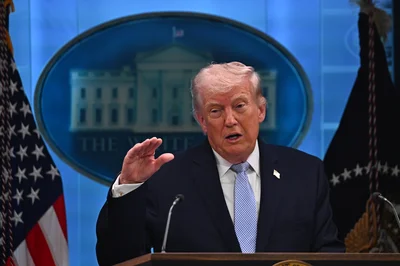
Donald Trump’s chilling vow to 'bring Iran back to the Stone Age' is more than a military threat—it signals a seismic shift in international norms. Experts warn this rhetoric reflects the unraveling of post-WWII rules that have kept global peace, risking a return to raw power politics. As tensions escalate, the world watches nervously: is this brinkmanship a prelude to chaos or a fading echo of a fading superpower?
-
France Supercharges Military and Nuclear Arsenal
 research →
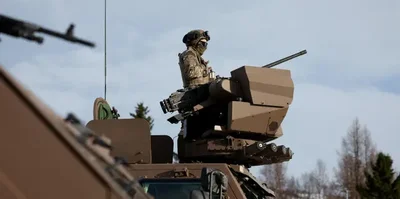
France is ramping up its defense game with a massive €36 billion boost set to roll out by 2030, pushing military spending to 2.5% of GDP. This bold move, driven by rising global tensions and doubts over NATO's US backing, includes expanding its nuclear deterrent and stocking up on missiles and drones. Defence Minister Catherine Vautrin calls it a response to a 'deep and brutal shift' in geopolitics. With the annual defense budget nearly doubling since 2017, France is clearly preparing for a more volatile world stage.
-
Rocket Strike Sparks Kuwaiti Consulate Siege
 research →
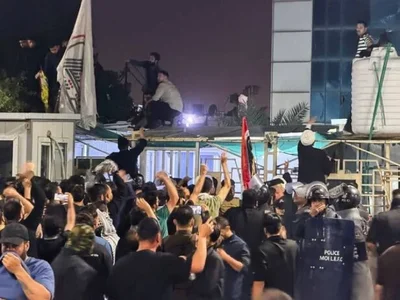
A deadly rocket attack from Kuwait’s direction killed at least three in Basra’s Khor al-Zubair, igniting fury that led protesters to storm and vandalize the Kuwaiti consulate. This violent breach highlights the fragile security of diplomatic missions amid regional tensions. Pakistan and Kuwait have condemned the attack and the consulate storming, demanding justice and stronger protections. With investigations underway, the incident raises urgent questions about Iraq’s ability to safeguard foreign missions.
-
China and Russia Block Hormuz Shipping Resolution
 research →
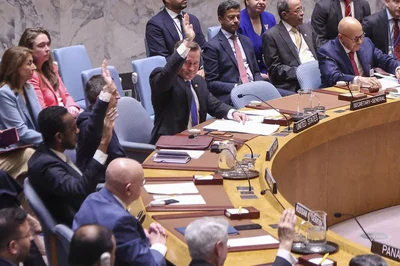
China and Russia wielded their UN Security Council vetoes to block a resolution aimed at protecting shipping through the strategic Strait of Hormuz. Proposed by Bahrain, the measure sought coordinated defensive efforts to reopen this vital oil route, currently choked by Iran’s blockade amid escalating conflict. The vetoes deepen global tensions as oil prices surge and humanitarian aid struggles to reach crisis zones. With diplomatic efforts stalling, the world watches nervously for the next move in this high-stakes standoff.
-
Peru’s Chaotic Race and Argentina’s Economic Tightrope
 research →
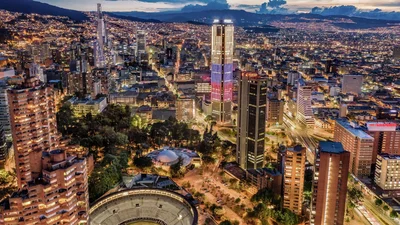
Peru faces a dizzying presidential election with 35 candidates vying for power amid political chaos and crime, none topping 20% in polls. Meanwhile, Argentina’s economy under President Javier Milei shows a stunning drop in inflation from 211% to 31.5%, yet unemployment and poverty remain stubbornly high. These developments reveal deep unrest and fragile hope across Latin America as voters prepare for pivotal decisions this week.