-
Europe Eyes Small Nuclear Reactors Revival
 research →
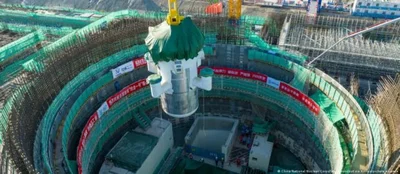
The European Union is racing to boost energy security amid fresh supply shocks from the Iran war, reigniting interest in nuclear power. European Commission President Ursula von der Leyen called the continent’s previous nuclear phase-out a “strategic mistake,” pushing for Small Modular Reactors (SMRs) by the early 2030s. Even Germany, which shut down all reactors, is debating a nuclear comeback, with leaders like Bavaria’s Markus Söder championing SMRs. This pivot could reshape Europe’s energy landscape as it seeks independence from volatile oil and gas markets.
-
France’s CO2 Cuts Fall Short of Targets
 research →
France has managed to reduce its CO2 emissions, but according to Politico EU, the country is still drifting away from its climate goals. Local governments admit they want to act faster but lack the necessary funds to double climate investments this term. With climate risks looming, the pressure is mounting for France to find new ways to accelerate its green transition. The question now is whether the government can unlock the resources needed to close the gap.
-
Orange Peels Spark Unexpected Forest Revival
 research →
Nearly two decades after a juice company dumped 12,000 tons of orange peel on a barren Costa Rican pasture, the site has transformed into a thriving forest. What began as an abandoned conservation experiment led by Princeton’s Daniel Janzen and Winnie Hallwachs has resulted in a 176% boost in biomass, proving to be a rare case of cost-negative carbon sequestration. This surprising ecological success offers a hopeful blueprint for sustainable restoration projects worldwide.
-
Hydrogen Fuel Cells Power Clean Energy Revolution
 research →
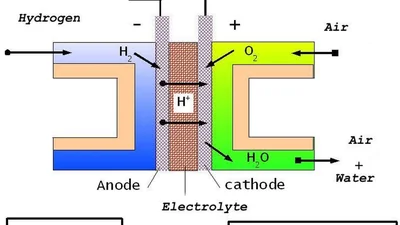
Hydrogen fuel cell technology is emerging as a game-changer in clean energy, converting abundant hydrogen into electricity without combustion. Unlike batteries that drain, these cells recharge continuously, promising sustainable power for cities. Meanwhile, researchers at the University of Cambridge have innovated by turning spent car battery acid into clean hydrogen fuel, potentially transforming waste into energy. This breakthrough could accelerate hydrogen’s role in the green energy transition, with real-world applications just on the horizon.
-
Worms Revolutionize Kenyan Farming Soil
 research →
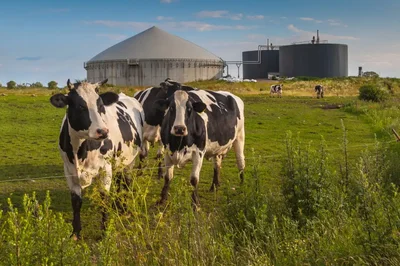
In Kiambu, Kenya, George Muturi's Comfort Worms and Insects farm is turning agricultural waste into gold—well, compost gold. Since 2018, Muturi has harnessed the power of redworms to produce 12 tonnes of nutrient-rich vermicompost monthly, offering farmers a natural alternative to synthetic fertilizers. This worm-powered innovation is not just enriching soil but fueling Kenya’s circular economy by transforming waste into wealth. With growing demand, this tiny worm army might just reshape sustainable farming across the region.
-
India Boosts Climate Goals Amid Energy Challenges
 research →
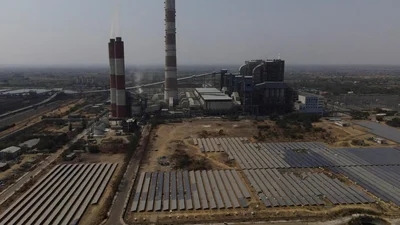
India has unveiled updated climate pledges, raising its emissions intensity reduction target to 47% below 2005 levels by 2035 and committing to 60% power from non-fossil sources. This cautious yet confident move reflects the country's balancing act between development pressures and global climate responsibilities. With energy imports still high, India’s green ambitions signal a major pivot towards renewables and forest carbon sinks. The world will be watching how these incremental steps translate into real climate impact in the coming decade.
-
Turkey Revives Marmara Sea Corals
 research →
Turkey has kicked off a bold coral restoration project in the Marmara Sea, aiming to heal ecosystems battered by climate change and human impact. Led by the Environment Ministry and Istanbul University, the two-year pilot focuses on transplanting healthy corals to revive damaged reefs near Hayırsız Island. This effort to bring back the 'forests of the seas' could set a vital precedent for marine conservation amid global biodiversity loss. Scientists will closely monitor the corals’ recovery, hoping for a ripple effect across the region’s fragile marine habitats.
-
New AI Models Reveal Hidden Climate Supply Chain Risks
 research →
A groundbreaking open-source Python framework developed by Yara Mohajerani models how climate disasters ripple through global supply chains, showing firms can cut direct flood damage by 26% and supplier disruptions by 48% through adaptive strategies. This spatial agent-based model reveals that even companies untouched by floods suffer major indirect impacts, spotlighting the unseen cascade of climate risk. Meanwhile, the AI tool GenFocal sharpens regional climate forecasts, turning coarse global data into precise local predictions of extreme events like heat waves and cyclones. Together, these advances promise smarter, more resilient climate risk management for businesses worldwide.
-
Europe’s Carbon Capture Hits Cost Wall
 research →
Europe’s ambitious Direct Air Capture (DAC) projects, designed to snatch CO2 straight from the air, are stalling under sky-high costs and shaky storage options. Despite successful pilot runs like Mälarenergi’s in Västerås, plans to scale up are on hold as infrastructure and funding fall short. This pause highlights the tough road ahead for Europe’s green transition, especially as energy prices soar and the clock ticks toward 2050 decarbonization goals. The next move? Policymakers and innovators must crack the cost code and build robust CO2 storage networks to keep climate targets within reach.
-
India’s Fast Breeder Reactor Sparks Energy Revolution
 research →
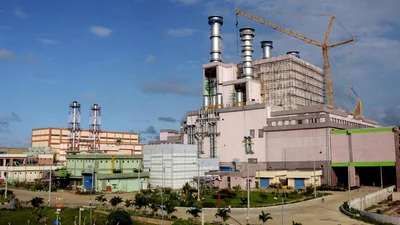
India’s Prototype Fast Breeder Reactor (PFBR) at Kalpakkam hit criticality on April 6, marking a historic leap in the nation’s nuclear energy journey. This milestone means the reactor can sustain a nuclear chain reaction, paving the way for cleaner, self-reliant power generation that produces more fuel than it consumes. Joining Russia as a global pioneer in fast breeder technology, India’s breakthrough promises to unlock vast thorium reserves and reshape its energy future. Next up: full-scale power generation and a bold stride toward energy independence by 2047.
-
AWS CEO Battles Iran War Cloud Crisis
 research →
Amazon Web Services CEO Matt Garman has openly acknowledged the severe challenges the ongoing Iran war poses to AWS’s cloud infrastructure in the Middle East. Since early March, drone strikes and targeted attacks, including by Iran’s Revolutionary Guard navy, have disrupted dozens of AWS services in Bahrain and the UAE. Garman revealed that AWS teams are working 24/7 to keep services running despite these threats and rising energy costs linked to the conflict. This struggle highlights how geopolitical turmoil can ripple through global tech infrastructure, with no clear end in sight as the war enters its sixth week.
-
UK Poised to Reignite North Sea Drilling
 research →
Reform UK, led by Nigel Farage, has pledged to restart oil and gas drilling in the North Sea if it wins the next election, aiming to slash energy bills and boost jobs. This move comes amid soaring energy costs, with bills expected to rise by nearly £300 annually from July. The debate intensifies as government ministers clash over balancing new drilling with Net Zero climate goals. Meanwhile, analysis shows the UK saved £2.5bn last year by using its own North Sea gas instead of costly imports. The energy future hangs in the balance as the election approaches.
-
Philippines Surges Ahead with Renewables
 research →
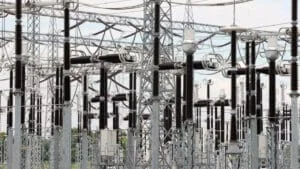
The Philippines is racing to add a whopping 1,471 MW of renewable energy and storage capacity by the end of April, with 22 new projects fast-tracked to ease the national energy crunch. This urgent push comes amid soaring oil prices fueled by the Middle East conflict, exposing the country's heavy reliance on imported fuel. Energy Secretary Sharon Garin emphasizes that these investments will not only stabilize power supply but also accelerate the shift to cleaner energy. The next few months will reveal if this ambitious rollout can truly reshape the Philippines’ energy future.
-
Argentina’s Vaca Muerta Investment Surges
 research →
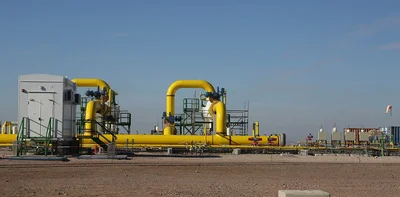
Argentina’s Vaca Muerta shale basin is exploding with investment, skyrocketing from $496 million to a staggering $17.9 billion thanks to President Milei’s bold RIGI reforms. This surge is fueling a historic energy boom, with production up 15.3% year-on-year and global oil giants like Chevron and TotalEnergies eyeing new projects. With Brent crude above $110 and a fresh 15-area auction set for August, Argentina is positioning itself as a major player in the global energy market. The next few years could see Vaca Muerta transform from a regional asset into a global energy powerhouse.
-
Gaza’s Water Crisis: Families Dying of Thirst
 research →
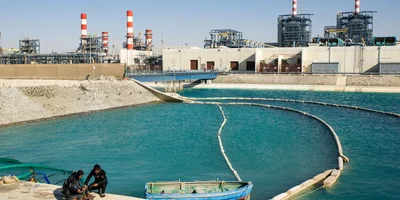
In Gaza’s al-Mawasi camp, Nawaf al-Akhras and thousands like him endure grueling daily treks to fetch water, waiting hours under the blazing sun just to fill a few jerrycans. This harrowing routine highlights a deepening humanitarian disaster fueled by ongoing conflict and siege conditions. With water scarcity worsening, the health and survival of displaced families hang in the balance. As international attention remains limited, the question looms: how long can Gaza’s residents survive this slow, agonizing thirst?
-
China's LNG Demand Slumps Amid Global Shifts
 research →
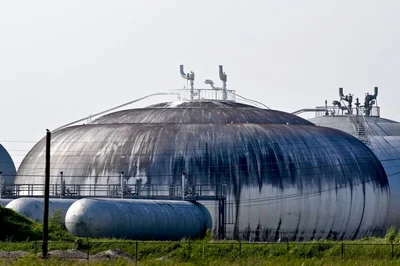
China's appetite for LNG has taken a notable dip, signaling a shift in the world's largest gas market. This decline comes as global energy dynamics evolve, with the US seeing a rise in natural gas futures driven by colder weather and oil price gains. The drop in China's LNG demand could reshape global energy flows and pricing strategies. Industry watchers are now keenly watching how this trend will influence future contracts and supply chains.