-
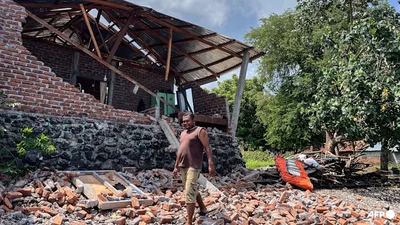
4.9 Quake Rocks Indonesia, Injures 20
 research →
A shallow 4.9-magnitude earthquake jolted eastern Indonesia near Maumere just before midnight, damaging over 100 homes and injuring at least 20 people on the island of Adonara. The quake struck at a depth of only 10.4 km, amplifying its destructive power in this seismically volatile region known as the Pacific 'Ring of Fire.' While not as catastrophic as past mega-quakes, this event underscores Indonesia's ongoing vulnerability. Authorities are now assessing damage and preparing for aftershocks.
-
Cyclone Vaianu Threatens North Island
 research →
Cyclone Vaianu is barreling toward New Zealand’s North Island, with up to 200mm of rain expected in just 18-24 hours, according to Earth Sciences expert Chris Brandolino. The storm’s exact path remains uncertain, but its center is likely to pass east of Auckland, bringing fierce winds and heavy rain that could cause significant damage. Experts warn that despite a possible downgrade in category, the cyclone’s impact could be severe and unpredictable. Residents are bracing for what could be one of the worst storms in years as authorities monitor the situation closely.
-
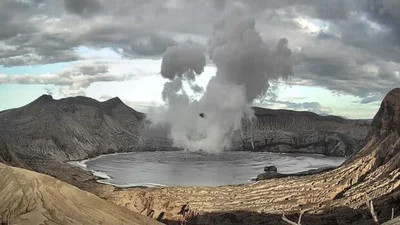
Kanlaon Volcano Spews Ash Again
 research →
Kanlaon Volcano has emitted a fresh ash plume, signaling renewed unrest in the region. This latest activity raises concerns for nearby communities and air traffic, as ash clouds can disrupt daily life and travel. Authorities are closely monitoring the volcano, urging residents to stay alert and prepared for possible escalations. The coming days will be critical to assess if this is a brief event or a sign of more intense volcanic activity ahead.
-
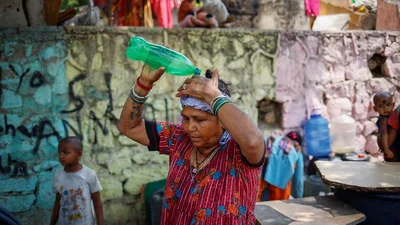
Scientists Slash Heatwave Survival Limits
 research →
A groundbreaking study has shattered the long-held belief that humans can survive wet-bulb temperatures up to 35°C. The new HEAT-Lim model reveals that deadly heat stress kicks in at cooler, drier conditions than previously thought, putting millions—especially the elderly—at greater risk. By reanalyzing six historic heatwaves, researchers uncovered that fatal heat thresholds were breached well before hitting the old limit. This revelation demands urgent reevaluation of heat safety standards worldwide as climate change intensifies.
-
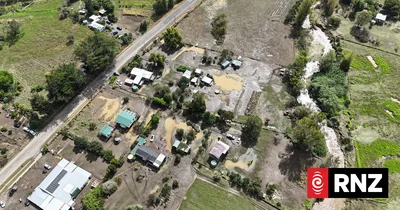
Rotorua Roads Collapse Amid Fierce Flooding
 research →
A terrifying scene unfolded near Rotorua as a car plunged into a deep chasm caused by severe flooding and road collapse on Ngapouri Rd. Miraculously, the driver survived and was rushed to hospital, while locals watched in disbelief at the ongoing landslides and mudslides affecting multiple roads including Te Kopia Rd. Emergency crews remain on high alert as the region grapples with unstable terrain and dangerous travel conditions. With more rain forecast, residents are urged to stay vigilant and avoid affected routes.
-
India’s Heat Crisis Strains Health and Economy
 research →
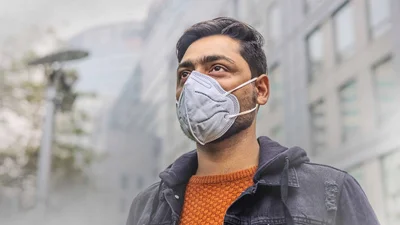
India is facing a brutal heat crisis that’s no longer just about the environment—it’s hitting hospitals and wallets hard. A new report from ClimateRISE Alliance and Dasra reveals that rising temperatures and pollution are costing India 2% of its GDP by driving up illness and reducing productivity. With energy demand soaring amid a global oil shock, the country’s health systems and economy are under unprecedented pressure. As heatwaves intensify, India must urgently adapt to protect its people and growth.
-
Southern Syria Faces Dire Water Crisis
 research →
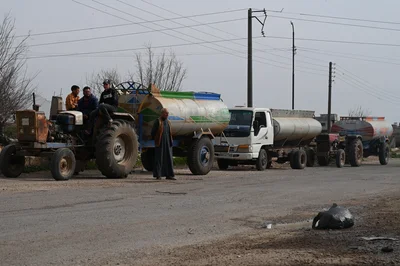
In southern Syria's Deraa region, residents like Abu Osama are grappling with severe water shortages that force families to buy costly tanker deliveries, often consuming a day's wages. This crisis highlights the harsh reality of dwindling water access amid economic hardship and climate pressures. With prices soaring and supply unreliable, the community's struggle underscores a broader regional threat to water security. Experts warn this is just a glimpse of worsening conditions as climate change and conflict intensify.
-
Cyclone Vaianu Threatens North Island Again
 research →
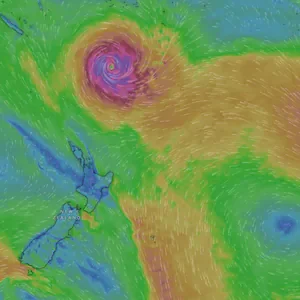
Cyclone Vaianu, a fierce category four storm with winds over 150 km/h, is closing in on New Zealand’s North Island this weekend, sparking fresh fears of flooding and wind damage. Residents in Northland, still reeling from devastating floods just weeks ago, are bracing for heavy rain and strong winds, with emergency services on high alert. Authorities urge everyone to secure homes, clear drains, and prepare for power outages as the cyclone’s exact path remains uncertain. This relentless weather pattern raises urgent questions about the future resilience of communities facing increasingly volatile storms.
-
Storm Halts Flights, Ferries at Jeju
 research →
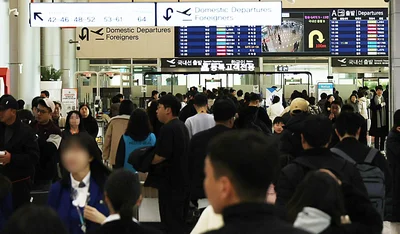
Jeju Island was battered by heavy rain and fierce winds on Thursday, forcing the cancellation of 88 flights and suspending all passenger ferries to nearby islands. The chaos hit both domestic and international travelers, with some flights forced to return mid-air due to dangerous wind shear. This disruption underscores the vulnerability of travel hubs to extreme weather, as the Korea Meteorological Administration warns the storm will linger through Friday. Travelers are bracing for continued delays and cancellations as the tempest rages on.
-
Hormuz War Strangles Fertilizer Supply
 research →
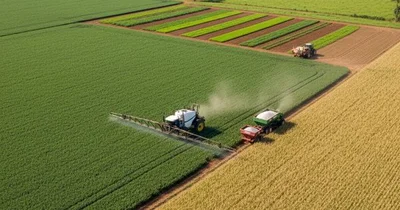
The ongoing war involving the US, Israel, and Iran has choked the Strait of Hormuz, a vital artery for nearly half of the world's urea fertilizer and a fifth of global LNG. This blockade has sent shockwaves through global agriculture, forcing the Inter-American Institute for Cooperation on Agriculture (IICA) and the Fertilizer Institute (TFI) to forge a new alliance to stabilize fertilizer supplies across the Americas. With fertilizer plants shutting down from Qatar to Bangladesh, the world watches nervously as a fragile ceasefire offers a slim hope for reopening this critical trade route. The stakes are high: disrupted fertilizer flows threaten food security worldwide, especially in vulnerable Global South nations already battling inflation and debt.
-
Cities Fight Water Crisis, Climate Wins
 research →
In Phoenix, Denver, and Las Vegas, urban water conservation efforts—like limiting lawn watering and promoting low-flow devices—have made strides in reducing consumption. But new research reveals these measures are struggling to keep pace with the relentless advance of climate change, which is drying up the Colorado River that supplies 40 million people. As drought deepens and river flows dwindle, experts warn that bigger, bolder solutions are urgently needed to secure water futures. The coming years will test whether these cities can innovate fast enough to outsmart a warming planet.
-
Western Heat Devours Snowpack, Sparks Fire Fears
 research →
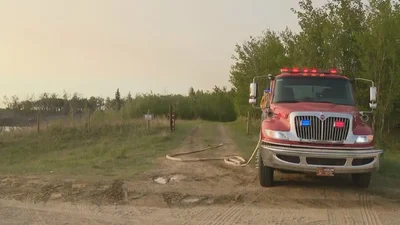
A record-mild winter followed by an unprecedented spring heat wave has obliterated the Western US snowpack, setting the stage for a perilous summer. Experts warn that this rapid snowmelt and ongoing drought could fuel widespread wildfires and severe water shortages across the region. New government maps show wildfire risk zones expanding far beyond typical areas, creeping into the Rockies and Pacific Northwest. As communities brace for impact, the coming months will test fire preparedness and water management like never before.
-
Manitoba Roads Close Amid Storm, Schools Open
 research →
Southern Manitoba faces major travel disruptions as key highways including Highway 5 and Highway 10 shut down due to severe weather. Despite the closures, no schools have been canceled, allowing students to keep their routines. Authorities urge drivers to check Manitoba 511 for updates and stay safe. With the storm still active, residents should prepare for ongoing challenges on the roads.
-
Taal Volcano Sparks Minor Eruption
 research →
The iconic Taal Volcano in the Philippines has just experienced a minor eruption, sending ash plumes into the sky but causing no immediate injuries. This sudden activity has heightened alert levels, reminding residents and tourists alike of the volcano's unpredictable nature. Authorities are closely monitoring the situation to ensure safety and prepare for any escalation. Stay tuned as scientists track what could be the start of more significant volcanic activity.